
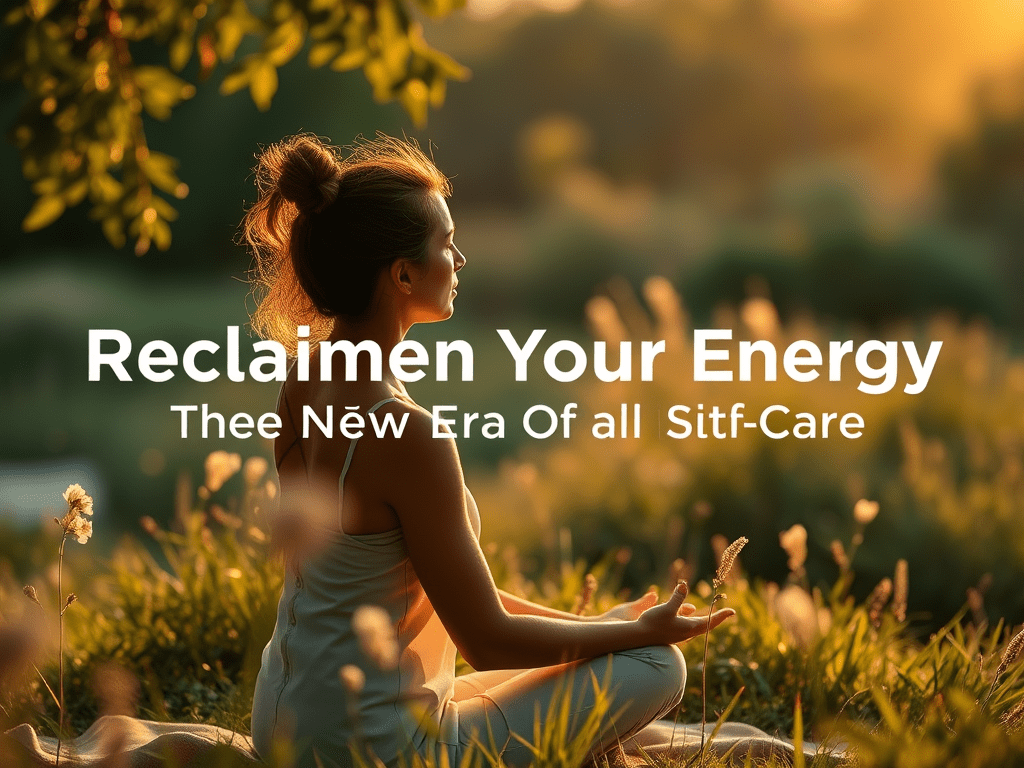
The Shift: From Self-Care to Energy-Care
Not too long ago, “self-care” became the buzzword of the decade. We saw it everywhere Sunday skincare rituals, digital detox challenges, cozy teas and slow mornings. But somewhere along the way, the meaning got watered down.
We started performing self-care instead of living it.
Now, in 2025, there’s a shift happening, one that’s more grounded and holistic. The conversation is moving from surface routines to energy stewardship. The question isn’t “What do you do for self-care?” anymore it’s “How do you protect your energy?”
Energy-care asks deeper things:
- How do you handle what drains you emotionally?
- What boundaries do you set around work, people, and screens?
- When was the last time you truly rested, not just slept?
This is self-care in its evolved form practical, emotional, and spiritual all at once.

The Science of Energy & Emotion
Here’s something fascinating , your energy is not just mental “willpower.” It’s deeply physiological.
When you face stress, your body releases cortisol and adrenaline. Over time, these hormones exhaust your nervous system. You not notice it as a “burnout moment” but as something subtler:
- Morning fatigue that coffee can’t fix
- Overwhelm from small decisions
- Emotional dullness is when nothing feels inspiring anymore
That’s your energy system signaling imbalance.
Science now calls this “allostatic load”. The wear and tear from chronic stress. But the solution isn’t always grand. It begins with micro-recoveries, short, intentional resets that train your body to feel safe again.
Think of your body as a battery, not a machine.
Machines run until they break.
Batteries are designed to recharge.
Rest as Resistance
Rest isn’t laziness. It’s rebellion.
In a world that glorifies productivity, slowing down becomes an act of quiet power. When you rest, you remind yourself:
I am not a machine. My worth is not in my output.
Real rest is not just about sleep, it’s about recovery at every layer:
- Physical Rest: Gentle stretching, naps, sunlight walks.
- Sensory Rest: Time without screens or noise.
- Emotional Rest: Allowing yourself to feel without judgment.
- Creative Rest: Letting your mind wander without an agenda.
- Social Rest: Time away from constant availability.
Try building a “rest menu.” Create a small, flexible list of things that recharge you in different ways. This includes activities like reading poetry, slow cooking, stargazing, journaling, or even five minutes of deep breathing.
Rest is the reset button that lets everything else work better.

Boundaries: The Unsung Superpower
Most burnout doesn’t come from doing too much, it comes from saying yes too often.
Boundaries are not walls; they’re gates. They help you decide what enters your space and what doesn’t. Emotional wellness starts with the courage to say:
- “Not today.”
- “I need space.”
- “That doesn’t align with me right now.”
But here’s the truth, setting boundaries isn’t about others; it’s about you. It’s how you communicate your needs to the world and protect your emotional climate.
Try this exercise:
For one week, check your energy after every interaction or task.
Ask:
- Did that uplift me or drain me?
- Was that a “true yes” or a “polite yes”?
By the weekend, you’ll know exactly where your energy leaks and what to do about them.
Mindfulness: The Bridge Between Chaos and Calm
Mindfulness isn’t just meditation. It’s awareness in motion, a way to meet life moment by moment without judgment.
You can practice mindfulness anywhere:
- While eating: Taste, chew, notice.
- While walking: Feel your steps and breath sync.
- While listening: Hear without planning your reply.
- While working: Focus on one tab, one task, one breath.
Even a 60-seconds mindfulness pause can recalibrate your nervous system. That’s how powerful presence can be.
“When you own your attention, you reclaim your energy.”
Start with micro-moments. Take a breath before answering your phone. Take a minute before opening emails. Enjoy a silent morning before touching your screen.
These small spaces become your invisible sanctuary.

Nourish, Don’t Numb
Wellness is about nourishment, not perfection.
Sometimes we confuse escape for care. Scrolling endlessly, binge-watching, comfort eating they bring momentary ease but long-term depletion.
Nourishment feels different. It feeds your energy instead of leaking it. Ask yourself:
- Does this comfort me or numb me?
- Does it connect me to myself or distract me from myself?
Once you start distinguishing between the two, you start to build a new relationship with your body, mind, and emotions.
Feed your system with what sustains you, whole foods, sunlight, water, movement, kindness, creativity, laughter, solitude, meaning.
The Ritual of Reconnection
At the heart of all self-care lies one goal: reconnection.
Reconnecting with your breath.
With your values.
With your body’s whispers before they become screams.
Try creating your own “energy ritual.” Something that signals your system it’s time to recharge.
Morning Ritual: Journaling three words that describe how you want to feel today.
Evening Ritual: Writing one thing you released today.
Weekly Ritual: Digital sunset, a few hours without screens to reset your nervous system.
When you bring ritual to your routine, even ordinary moments become sacred.
The Calm Rebellion
The world will keep spinning faster.
But you have a choice, to slow down and live deeply instead of quickly.
Self-care is no longer about checking boxes; it’s about creating alignment. The goal isn’t to escape your life, but to inhabit it fully.
Because when you live in sync with your energy, not against it. Your presence becomes magnetic. You become more creative, more kind, more alive.
And maybe that’s what real wellness is:
A life where your peace is your baseline, not your reward.
 Maison Avyra