
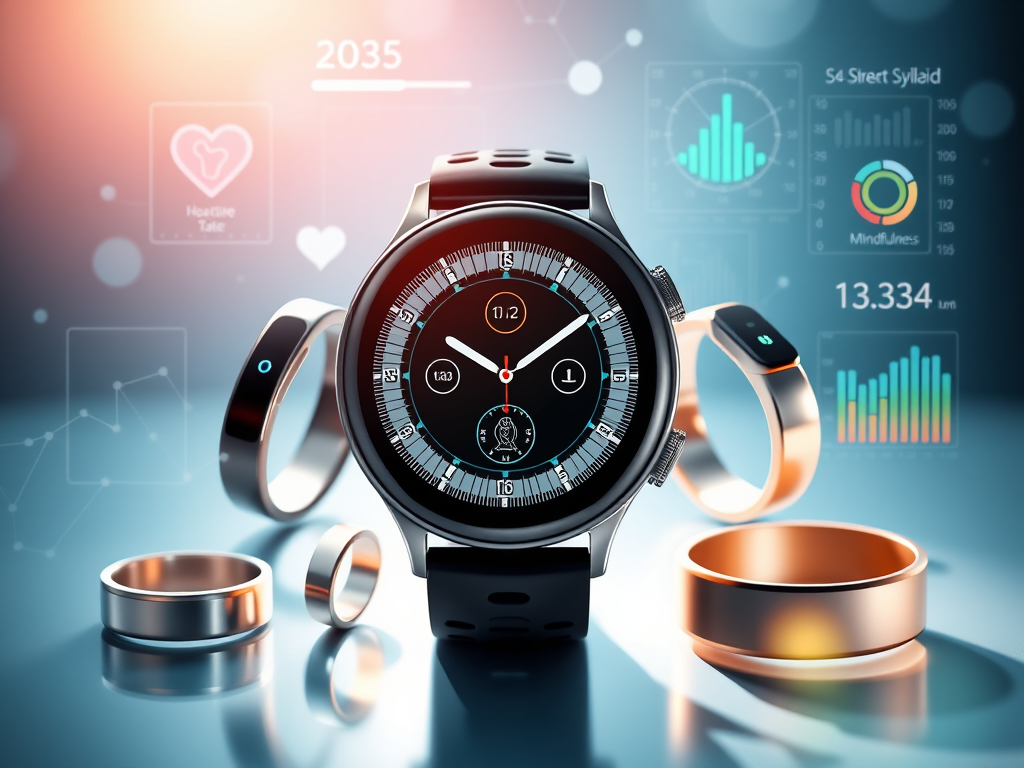
AI and wearables are redefining self-care in 2025, from sleep tracking to mental wellness insights. Discover how personalized wellness is transforming the way we heal, grow, and live.
personalised wellness, AI wellness, wearables 2025, self-care tech, holistic health, wellness trends USA, mindfulness apps, data-driven health, AI self-care, health wearables
The Future of Wellness Is Personal
Once upon a time, wellness was about doing what everyone else did following the same diets, workouts, and morning routines. But 2025 has brought a revolution: personalised wellness, powered by AI and wearable technology, is changing everything.
Forget “one-size-fits-all.” The future of well-being is tailor-made guided by your body, your data, and your rhythm.
According to insights from lawyersmutualnc.com and Fluid Branding, AI and wellness tech are no longer niche. They’ve become mainstream tools helping people design their own blueprint for balance, tracking stress, sleep, energy, nutrition, and even emotions.
We’re entering a new era of self-care: smart, intuitive, and deeply human.
What’s New in 2025’s Wellness Revolution
The idea of “personalisation” isn’t new, but how we achieve it is radically different.
Thanks to AI and next-gen wearables, self-care is no longer guesswork. Your watch, ring, or even your water bottle now collects insights about your:
- Sleep quality
- Heart rate variability
- Stress response
- Recovery patterns
- Movement and nutrition habits
Devices like Oura Ring, Whoop, Garmin, and Fitbit Sense don’t just track data, they interpret it. AI models then recommend subtle lifestyle adjustments, turning complex health science into practical daily guidance.
For example:
- Feeling foggy? Your wearable may detect poor sleep efficiency and suggest earlier wind-down times.
- Elevated stress? AI could prompt you to take a mindfulness break or hydrate.
- Recovery lagging? It’ll guide you to adjust workouts or nutrition.
As McKinsey & Company notes, Millennials and Gen Z are leading this charge. They are demanding that wellness isn’t a luxury retreat. Instead, it should be an integrated lifestyle. They want wellness that’s automatic, everyday, and everywhere.
This is the age of wellness as a system, not a spa day.
How to Apply Personalised Wellness in Real Life
Personalised wellness isn’t about buying every gadget or tracking every metric. It’s about using data wisely, to deepen your connection to your body.
Here’s how to start:
Choose Tech That Feels Natural
Start with one wearable or app you enjoy. Whether it’s a smartwatch, sleep tracker, or AI wellness app like Welltory or Fitbod, pick something that fits your lifestyle — not something that overwhelms it.
The goal isn’t perfection, it’s awareness.
Track for trends, not trophies. Notice patterns over time: When do you feel most focused? When do you crash? When do you recover fastest? That’s where real growth begins.
Turn Data Into Gentle Adjustments
Use your insights to make small, sustainable changes:
- If your sleep score drops, skip caffeine after 2 PM and meditate before bed.
- If your heart rate variability (HRV) dips, add breathing exercises or take a rest day.
- If you’re fatigued, swap a heavy workout for a walk or yoga.
AI gives you the map, but you decide the journey.
Balance Tech with Humanity
Technology is powerful, but it’s not the whole story.
Data can tell you that your stress is high, but it can’t tell you why your heart hurts.
That’s where the human part of self-care comes in.
Blend your metrics with practices that make you feel alive:
- Meditation, breathwork, journaling
- Walks in nature
- Phone-free mornings
- Therapy, community, or creative hobbies
AI can guide your habits, but presence heals your heart.
Guard Your Energy and Your Privacy
In an age of bio-tracking and data-driven health, be intentional about who owns your data.
Always review privacy settings and avoid sharing sensitive metrics with apps you don’t trust.
Remember: wellness should empower, not exploit.
You are not a product. You are a person.
The Benefits (and Caveats) of AI-Driven Self-Care
Benefits
Precision: You know what works for you, not just what’s trending.
Motivation: Seeing progress keeps you consistent.
Efficiency: Less guesswork, more clarity in your self-care.
Awareness: You start noticing how your body really feels.
As lawyersmutualnc.com notes, personalized data creates a feedback loop of awareness, helping you spot patterns before burnout hits.
Caveats
Data ≠ Destiny. Your device can’t measure your dreams, emotions, or intuition. Context matters like stress, grief, life events all shape how data shows up.
Beware of “optimization anxiety.” Self-care should relax you, not become another performance metric.
Accessibility gap. High-end wearables can be pricey. But you don’t need the latest tech to live mindfully, your body has been giving signals all along.
Ultimately, the goal is not to become a “quantified self,” but a connected self.
The Future of Self-Care: Human + Machine Harmony
Imagine waking up in 2030: your wearable gently syncs with your circadian rhythm, adjusts your room temperature, suggests a breakfast aligned with your metabolism, and recommends a 5-minute gratitude meditation, all powered by AI that understands you deeply.
Sounds futuristic? It’s already here and it’s just getting started.
But the secret sauce isn’t technology itself. It’s how we use it.
When we blend data with compassion, AI with awareness, and tracking with trust, we unlock a form of self-care that’s both modern and meaningful.
Personalised wellness isn’t about being controlled by algorithms.
It’s about using them to reconnect with yourself.
The New Formula for Self-Care
In 2025, wellness isn’t a product, it’s a partnership.
AI and wearables give us information. But it’s empathy, intuition, and self-love that turn that information into transformation.
So, the next time your watch buzzes with an alert, take it as an invitation, not an instruction.
Pause. Breathe. Listen. Adjust.
Because the best data in the world means nothing if it doesn’t help you feel more human.
Personalised wellness is not about doing more, it’s about understanding yourself better.
And in a noisy, algorithmic world, that may be the most radical self-care move of all.
#PersonalisedWellness #AIFitness #MindfulTech #WearableWellness #SelfCare2025 #HolisticHealth #DataDrivenWellness #WellnessInnovation #RestNotRush
 Maison Avyra