
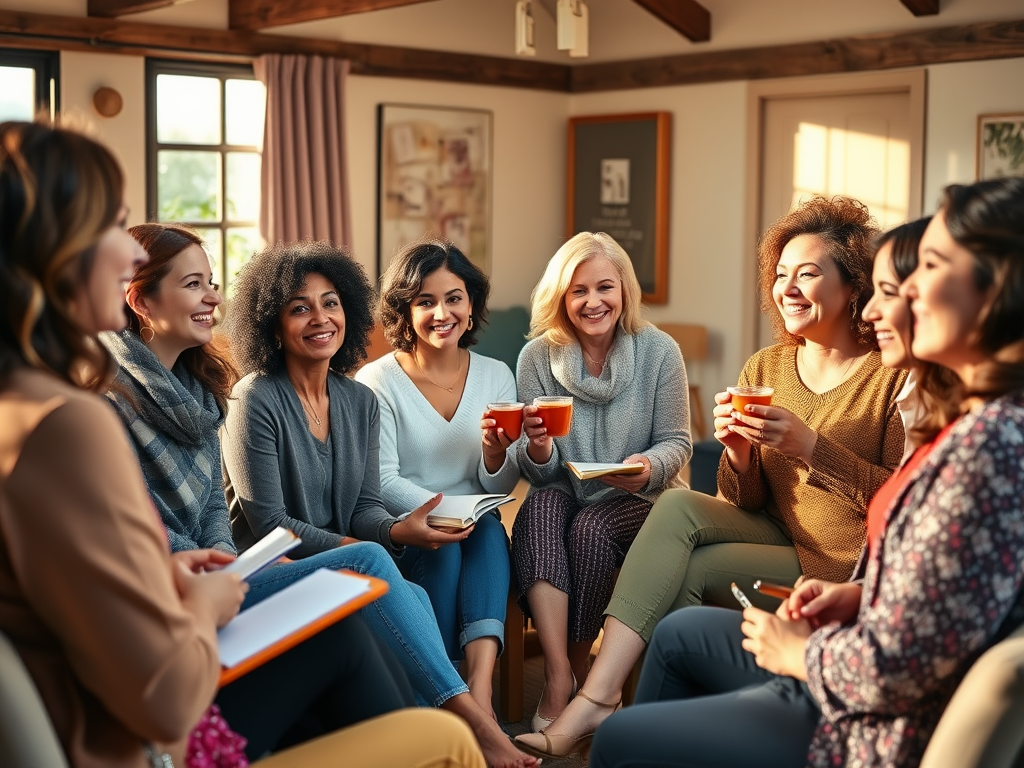
In a world that feels louder, faster, and more demanding than ever, wellness is no longer a side conversation. It’s front-page news. Today’s report from the Antigua and Barbuda Workers’ Union (ABWU) Women’s Council is a powerful reminder. Self-care is evolving far beyond personal habits. It is becoming a community-driven force, a collective awakening, and a reclaiming of emotional space.
At their self-care and mental wellness seminar, women gathered not for a traditional lecture. Instead, they came together for a shared human experience. This experience was rooted in healing and empowerment. It involved understanding what it means to take care of oneself in a world that rarely slows down.
This single event reflects a worldwide shift: self-care is no longer about pampering. It’s about reclaiming your mental, emotional, and energetic sovereignty.
This is the new masterclass of wellness.
1. Self-Care Is No Longer Solo, It’s a Shared Human Practice
Traditional self-care painted a picture of solitude: candles, quiet time, journaling, long baths. While these remain valuable, today’s seminar highlighted a deeper truth, community is medicine.
When women gathered in that room, they brought stories, burdens, childhood lessons, and unspoken emotions. The power of the session wasn’t merely the teachings; it was the togetherness.
Why it matters:
- Healing accelerates in safe groups.
- Emotional relief grows when shared, not hidden.
- Support becomes stronger when connected through experience.
The new era of self-care acknowledges that community helps regulate our nervous systems. It restores a sense of belonging. It validates emotions that modern life suppresses.
Masterclass Insight:
Create or join a micro-community. Even a trio of trusted people can be valuable. Meet monthly for check-ins about mental and emotional well-being. Healing is amplified when witnessed.
2. The Power of Focusing on What You Can Control
One of the standout activities in the ABWU workshop invited women to identify what they can control. It also invited them to identify what they cannot control.
This is more than an exercise, it is a blueprint for emotional freedom.
Many people spend mental energy on:
- other people’s choices
- the economy
- others’ opinions
- uncertainty
- the future
These are uncontrollables, and they drain emotional bandwidth.
Mastering wellness requires correctly allocating energy.
You control:
- your reactions
- your habits
- your boundaries
- your environment
- your self-talk
- your decisions
You don’t control:
- other people’s behavior
- external chaos
- past events
- inevitable change
This shift is life-changing because it replaces helplessness with agency.
Masterclass Insight:
Each morning, ask yourself: “What is one thing I can control today that improves my life by 1%?”
Self-care is built in small, certain choices, not overwhelming changes.
3. Self-Worth Is Not Soft, It’s Structural
A participant at the event said it best: “This was a reminder of our self-worth and the importance of self-love.”
Self-worth is not a fluffy concept. It is the foundation of every boundary you set. It is also the foundation of every relationship you allow and every opportunity you pursue.
When self-worth is low:
- you overgive
- you accept mistreatment
- you tolerate exhaustion
- you silence your needs
- you ignore warning signs
When self-worth is healthy:
- you rest without guilt
- you protect your energy
- you communicate honestly
- you make aligned decisions
- you prioritize your mental health
Self-worth shapes life outcomes more than talent, intelligence, or resources.
Masterclass Insight:
Write one self-worth affirmation daily, but make it grounded and specific, like:
- “My time deserves respect.”
- “My feelings deserve space.”
- “I deserve relationships where I am heard.”
- “Rest is my right, not a reward.”
Affirmations aren’t magic; they’re identity rewiring.
4. Mindfulness + Intentionality = The New Daily Defence
The ABWU seminar emphasized mindfulness and intentionality, and for good reason. In 2025, attention is our most hijacked resource.
Mindfulness teaches awareness.
Intentionality teaches direction.
Together, they help you:
- reduce emotional reactivity
- soften anxiety
- build resilience
- protect mental clarity
- create internal calm
You don’t need hour-long meditation sessions. Today’s wellness approach embraces micro-practices:
- 2 minutes of deep breathing
- pausing before responding
- one mindful sip of tea
- watching the sky for 10 seconds
- grounding feet on the floor
These micro-moments recalibrate the nervous system and strengthen inner stability.
Masterclass Insight:
Replace “I don’t have time for mindfulness” with “I can find 30 seconds to breathe with intention.”
This alone transforms overwhelm into awareness.
5. Why This Story Is Bigger Than Antigua, It’s Global
The ABWU event is not an isolated moment. It reflects a global turn toward community-centered wellness.
Here’s why this matters:
A. The world is experiencing collective burnout.
Between economic instability, digital overload, and emotional labor, people are running on empty. Community healing offers relief individuals can’t create alone.
B. Women are leading the wellness revolution.
Across the world, women are creating circles, workshops, and communities. They are redefining healing culture. Today’s seminar is part of that movement.
C. Mental health dialogues are becoming normal.
What was once taboo is now recognized as essential, emotional health is finally as important as physical health.
D. The definition of self-care is maturing.
Self-care is no longer indulgence; it’s intentional, structured, and self-respecting.
6. A 7-Day Wellness Reboot Inspired by Today’s Event
Here is a masterclass-level week-long plan you can implement immediately:
Day 1: The Control Exercise
List 3 current worries.
Mark them “I can control” or “I can’t.”
Take action on one controllable item.
Day 2: Build a Boundary
Say no to one thing that drains you.
Honor the space it creates.
Day 3: Connection Therapy
Reach out to someone who supports you emotionally.
A 10-minute conversation can shift your nervous system.
Day 4: Self-Worth Reflection
Write one powerful self-worth affirmation.
Read it three times aloud.
Day 5: Micro-Mindfulness
Practice 2 minutes of intentional breathing.
Document how your mind and body change.
Day 6: Rest Without Permission
Do something restorative, guilt-free.
Remember, burnout benefits no one.
Day 7: Review & Recalibrate
What has improved? What needs more attention?
Adjust next week with compassion, not pressure.
Final Thought: Wellness Is Becoming a Shared Revolution
Today’s seminar from the ABWU Women’s Council isn’t just a local story. It’s a symbol of the global evolution of self-care.
The future of wellness is:
- communal
- emotionally intelligent
- intentional
- self-respecting
- grounded
- human
You are allowed to slow down.
You are allowed to choose yourself.
You are allowed to heal in community, not isolation.
Your well-being isn’t a luxury. It’s your foundation.
 Maison Avyra