In 2025, the global wellness landscape is transforming dramatically. For years, self-care was marketed as a luxury. It was seen as a solo ritual reserved for quiet nights, candlelit routines, and personal reflection. But today’s world, shaped by burnout, emotional overload, and mental fatigue, has revealed a deeper truth:
Healing is more powerful when it’s shared.
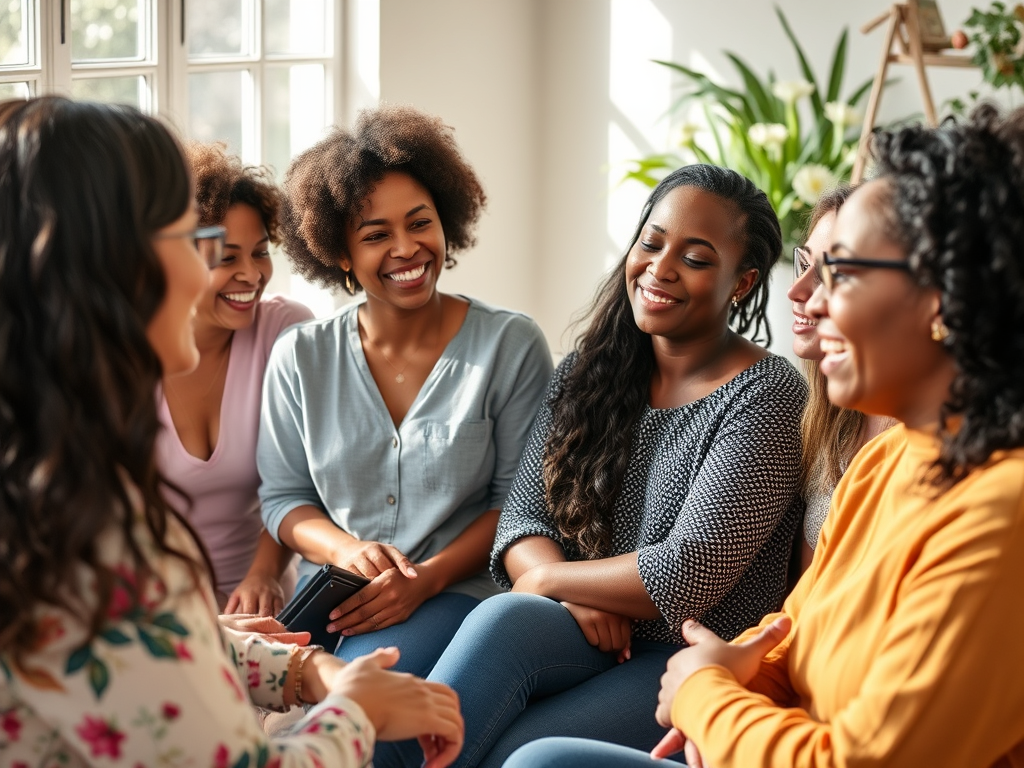
The latest wellness seminar hosted by the Antigua and Barbuda Workers’ Union (ABWU) Women’s Council clearly highlighted this shift. During the seminar, women gathered to explore mindfulness and emotional regulation. They also examined the connection between self-worth and mental health. What emerged from that event is now a global signal:
We are entering the era of collective wellness, where healing becomes a community practice, not just an individual pursuit.
1. From Isolation to Connection: The New Self-Care Mindset
For decades, self-care meant solitude. A quiet morning. A solo workout. Journaling alone. Meditation behind closed doors.
But in 2025, the world is craving connection, and wellness has expanded accordingly.
At the ABWU seminar, women didn’t just attend a class; they brought their stories, vulnerabilities, fears, and emotional truths. And in that shared space, something profound happened:
- They felt seen.
- They felt understood.
- They discovered they weren’t carrying their burdens alone.
This shift toward community-based self-care offers benefits that individual practices cannot match:
- Reduced emotional isolation
- Greater resilience through shared experience
- Validation and empathy
- A sense of belonging and safety
2. Emotional Awareness, The Skill We Were Never Taught
One of the seminar’s strongest messages centered around emotional awareness, a skill that remains alarmingly rare despite its importance.
Society teaches productivity, achievement, discipline, but not emotional literacy.
Most people grow up never learning how to:
- identify emotions
- understand triggers
- communicate needs
- process discomfort
- release internalized stress
The workshop challenged women to explore their emotional patterns. They reflected on how these patterns shape work, relationships, and daily mental health.
Why emotional awareness matters:
- It builds healthier boundaries
- It strengthens communication
- It improves mental clarity
- It deepens relationships
- It reduces anxiety and emotional overwhelm
Self-care isn’t about forcing happiness, it’s about understanding yourself deeply enough to support your needs.
3. The Control Equation: The Psychology of Inner Peace
A standout moment from the event was the “control exercise,” where participants listed what they can and cannot control.
It sounds simple, but it is a master-level cognitive wellness tool.
Most emotional burnout comes from investing energy into things outside our control:
- people’s attitudes
- unpredictable events
- judgment from others
- global uncertainty
- the fast pace of modern life
- past mistakes we can’t change
This creates internal chaos.
Shift your focus to the controllable aspects of your life. These include your habits, reactions, self-talk, energy, and boundaries. When you do this, your entire emotional landscape changes.
This exercise:
- lowers anxiety
- restores clarity
- builds confidence
- increases resilience
It transforms stress into strategy.
4. Self-Worth: The Foundation of Every Wellness Habit
Self-worth is not just a mindset, it’s the engine that drives every wellness and self-care behavior.
Low self-worth leads to:
- overworking
- people-pleasing
- staying in unhealthy relationships
- guilt around rest
- avoidance of boundaries
Healthy self-worth leads to:
- confident decision-making
- emotional protection
- healthier relationship choices
- guilt-free rest
- clear boundaries
During the seminar, women expressed a renewed understanding. They realized that self-worth shapes their emotional health more than any external routine. It influences more than any trend.
5. Mindfulness: The Everyday Antidote to Emotional Chaos
In a hyperconnected world, mindfulness is no longer optional, it is a survival skill.
But mindfulness today is not the old idea of hour-long meditation sessions; it is micro-mindfulness, woven into daily life:
- a 2-minute breathing reset
- a conscious pause before reacting
- grounding your feet during stress
- noticing your breath during a task
- one quiet moment before sleep
These micro-practices act as:
- mental resets
- emotional stabilizers
- clarity enhancers
- nervous system regulators
Mindfulness is not about silence.
It’s about awareness, and awareness creates emotional freedom.
6. A Global Movement: Why Collective Healing Is Rising
The ABWU event mirrors a global trend. Across continents, communities are embracing shared wellness initiatives.
Here’s what this signals about wellness in 2025:
A. Wellness is becoming a collective responsibility
Mental health is no longer “personal work”, it’s supported through workplaces, communities, and social networks.
B. Mental health stigma is dissolving
Talking about stress, trauma, and emotional wellbeing is becoming normal.
C. Women are leading the wellness revolution
Women are creating healing circles, workshops, and emotional support networks more than any other demographic.
D. Self-care is evolving beyond products
It’s no longer commercialized indulgence, it’s emotional resilience, awareness, connection, and boundaries.
7. A Seven-Day Community-Based Self-Care Challenge
Here’s a search-friendly, actionable wellness challenge inspired by the seminar:
Day 1: Write down 5 things you cannot control, release them.
Day 2: Connect with someone who feels safe emotionally.
Day 3: Spend 10 minutes journaling your emotions honestly.
Day 4: Set one boundary to protect your mental health.
Day 5: Practice a 3-minute mindfulness breathing reset.
Day 6: Do something restorative, no guilt allowed.
Day 7: Reflect on your emotional patterns and identify what made you feel lighter.
Wellness Was Never Meant to Be a Solo Journey
The new era of wellness honors connection, emotional awareness, and collective strength. Today’s world is teaching us a powerful truth:
Self-care becomes stronger when it is supported, shared, and practiced in community.
You deserve support.
You deserve emotional safety.
You deserve a self-care routine that chooses you every single day.
 Maison Avyra