

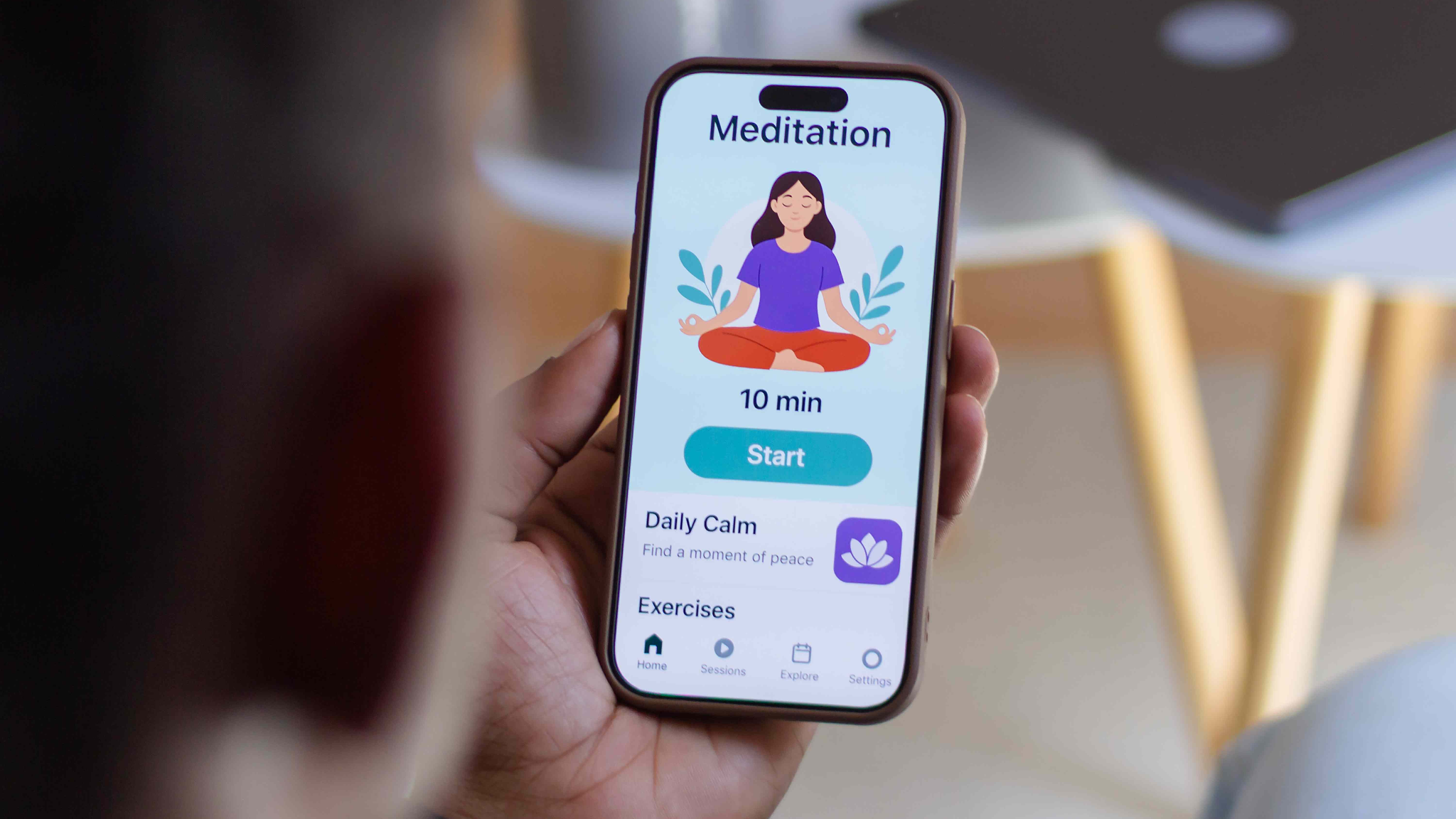
Wellness is supposed to make us feel better, calmer, healthier, more present in our own lives. But somewhere along the journey, something changed. As wellness became trendy, commercialised, aesthetic, and algorithm-driven, it also became demanding. In trying so hard to “take care of ourselves,” many of us accidentally slipped into something much heavier:
Self-care becomes self-pressure.
This pressure shows up quietly. It sneaks into routines that were meant to heal us. It hides behind “health goals,” wellness challenges, and productivity hacks that disguise themselves as self-love.
And recent discussions in health magazines and lifestyle reports warn of a rising phenomenon, often called the wellness trap. It’s what happens when taking care of ourselves becomes another thing we feel obligated to perfect.
Here’s the truth most of us don’t talk about:
Wellness can hurt when it becomes a performance.
Let’s dive deeper into what this looks like, why it’s happening, and how to protect your peace in a world obsessed with “betterment.”
1. The Hidden Pressure Behind Modern Self-Care
The moment self-care turned into a trend, it also became something people judged, online and offline.
Everywhere we look, we see:
- Perfect morning routines
- Clean-girl aesthetics
- Daily step counts
- Sleep metrics
- Smoothie bowls
- Meditation streaks
- Productivity trackers
- Biohacking tips and rituals
The message is subtle but constant:
If you’re not improving, you’re falling behind.
But this is where wellness becomes tricky. When self-care becomes something you compare, track obsessively, or feel guilty about missing, it loses its essence.
It stops nurturing you.
Instead, it starts weighing on you.
2. Signs You’re Stuck in the Wellness Trap
You don’t need hours of yoga or elaborate skincare routines to be caught in the wellness trap. Sometimes, the pressure is emotional rather than physical.
Here are the most common signs:
1. You feel guilty when you skip your routine
No smoothie today? No 10k steps? Missed your meditation?
Suddenly, you feel like you’ve failed, even though nothing is actually wrong.
2. You track every metric and let numbers define your mood
Calories. Steps. Sleep cycles. Water intake.
Instead of feeling empowered, you feel judged by your own devices.
3. You think rest must be “earned”
You push through exhaustion because you didn’t “do enough.”
You don’t let yourself relax unless you’ve been productive first.
4. Everything feels like a competition
You compare routines, diets, progress, or habits with people online, forgetting that social media shows highlights, not reality.
5. You can’t enjoy self-care without stressing about doing it “right”
A simple walk becomes a fitness goal.
A recipe becomes a diet plan.
A journal becomes a checklist.
When wellness becomes stressful, it’s no longer wellness.
3. Why This Especially Impacts People With Chronic Conditions
For people with chronic pain, autoimmune conditions, or sensitive health, the pressure of “performing” wellness does more harm than good.
Here’s why:
• Stress can worsen inflammation and pain
Trying too hard, mentally or physically, can increase flare-ups.
• Over-scheduling wellness leaves little room for actual rest
Real recovery requires allowing the body to pause without guilt.
• A rigid routine can’t adapt to bad health days
Some days your body needs slowness.
Some days it needs softness.
Wellness that doesn’t allow flexibility becomes punishment.
• Constant tracking heightens anxiety
The mental load of “checking everything” drains energy that could be used for healing.
People with chronic conditions don’t need more discipline, they need more compassion.
4. How to Break Free From Self-Care Pressure
Here’s the good news: wellness doesn’t have to feel heavy.
It can feel nourishing again.
It can feel like a choice, not a chore.
Here’s how to shift your mindset and reconnect with real self-care:
1. Reframe self-care as a kindness, not a checklist
Instead of asking:
“Did I complete everything on my routine?”
Ask:
“What do I need today?”
“What would make me feel supported?”
“What small thing would bring me comfort?”
Self-care should meet your needs, not measure your discipline.
2. Allow flexibility, your body changes daily
If you feel tired, skip the workout.
If you’re overwhelmed, shorten the meditation.
If you’re sore, choose rest instead of pushing through.
You are not a machine.
Your needs are allowed to shift.
3. Stop comparing your wellness to others
Wellness is deeply personal.
Someone’s 5 a.m. gym routine might be your nightmare.
Someone’s green juice obsession might be your digestive trigger.
Someone’s meditation habit might not suit your mind.
Your wellness should fit your life, not Instagram.
4. Use tracking tools as guides, not judges
It’s okay to track your steps or sleep, but they shouldn’t define your worth or mood.
Try shifting the purpose:
- Track to observe, not score
- Track to understand patterns, not control them
- Track only what genuinely helps you
And it’s perfectly fine to stop tracking altogether.
5. Rest because you need it, not because you “deserve” it
Rest is not a reward.
Rest is not laziness.
Rest is not failure.
Rest is care.
Your body needs rest the same way it needs food, water, and air.
It’s not optional and it should never feel earned.
5. Returning to the Heart of Wellness
If you strip away the noise, the trends, the aesthetics, and the pressure, the core of wellness is simple:
Listen to yourself.
Honor your body.
Be gentle with your mind.
Choose what supports you today, not what impresses others.
Self-care is not about perfect routines.
It’s about presence, feeling connected to yourself in small, meaningful ways.
When self-care becomes compassionate instead of competitive, everything shifts:
Your days feel lighter.
Your routines feel softer.
Your body feels supported.
Your mind feels calmer.
And that is real wellness.
If you want, I can also write the third section in this series:
“Making It Work: Realistic Self-Care for Real Life.”
 Maison Avyra