
In a world overflowing with wellness trends, viral routines, and carefully curated self-care aesthetics, it’s easy to feel overwhelmed. One moment we’re being told to meditate for 20 minutes before sunrise, the next we’re encouraged to do ice baths, track every step, drink gut-health tonics, follow sleep cycles, and squeeze movement into every hour.
But true wellness isn’t about following everything, it’s about choosing what genuinely supports your life.
That’s what realistic self-care looks like.
Not performance.
Not perfection.
Not pressure.
Just support.
If the first two sections of this series explored the beauty of daily wellness and the dangers of wellness pressure, this section is all about making it work in real life. Because wellness should fit you, not the other way around.
Here’s how to take the good parts of 2025’s wellness movement and leave the rest behind.
1. Habit Building With Balance
The foundation of realistic self-care is simple: start small, stay steady.
Not every wellness habit needs to be dramatic. In fact, the gentler the start, the more sustainable the habit becomes.
Choose ONE internal health habit
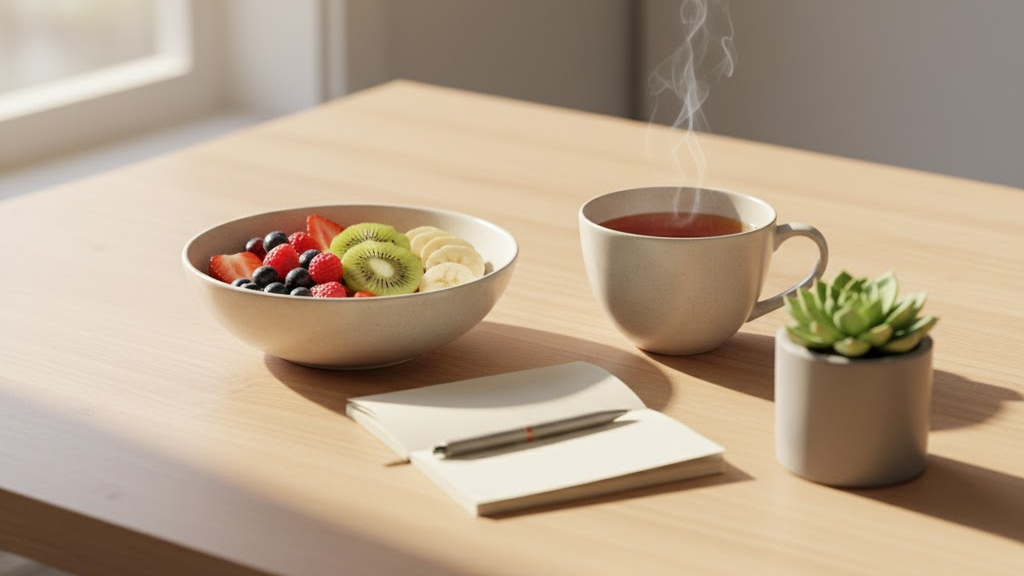
Rather than trying to fix everything at once, select one internal habit that nourishes your body:
- Increasing fibre slowly and comfortably
- Getting 7–8 hours of sleep
- Drinking more water
- Doing a 5-minute breathing practice
- Adding one whole food to your meals
- A short walk after lunch
The recent “Fibermaxxing” trend reminded us that fibre is essential for gut health, energy, and digestio, but adding too much, too fast, leads to discomfort. And that’s the lesson with all habits:
Go slow.
Be intentional.
Let your body adjust.
Pair it with one external routine
This could be:
- A 10-minute gentle stretch
- Skincare with intention instead of hurry
- Lighting a candle before bed
- A short evening walk
- Reading 5 pages of a book
It doesn’t have to be grand, it just has to feel doable.
Track loosely (or not at all)
Instead of obsessing over metrics, ask yourself:
- How do I feel today?
- Is my sleep better?
- Is my mood calmer?
- Do I feel more energized?
Your body will tell you more than any app will.

2. Rest and Recovery Are Non-Negotiable
Rest is not optional.
Rest is not a reward.
Rest is not something you earn by being productive enough.
Rest is a biological need, just like breathing and eating.
When wellness becomes hyper-productive, it loses its soul. And the popular “bed rotting” trend highlighted a very real issue: many of us are burnt out, exhausted, and craving stillness. But spending too much of our time in bed scrolling can disrupt sleep patterns, mood, and motivation.
So what does healthy rest look like?
Listen when your body whispers, not just when it screams
If you’re tired, rest.
If you’re overwhelmed, pause.
If you’re sore, slow down.
Skipping a workout is not failure.
Closing your eyes for 10 minutes is not laziness.
Taking a day off social media is not avoidance.
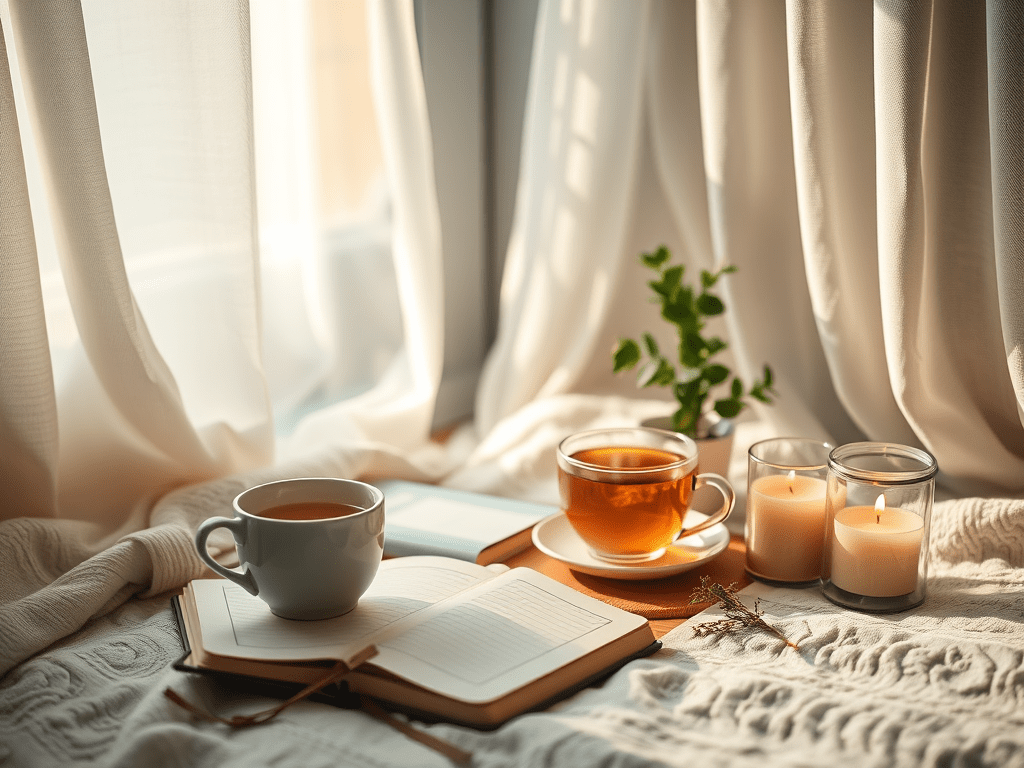
Create rest spaces
Not every corner of your house should remind you of work, stress, or productivity.
Make a small space for:
- Soft lighting
- A warm drink
- A book
- A journal
- A blanket
This is a space where your nervous system can exhale.
Break the “earn your rest” mindset
You don’t need to complete a to-do list to deserve peace.
Your body and mind need rest regardless of how “productive” the day was.
3. Mindset: Compassion Over Perfection
The healthiest people aren’t the ones who follow perfect routines.
They’re the ones who show themselves compassion, patience, and gentleness.
When self-care becomes rigid, it loses purpose. Wellness isn’t supposed to feel heavy.
Watch for the “I must” trap
If your self-care phrases sound like:
- “I must journal.”
- “I have to finish my steps.”
- “I need to complete my routine or the day is ruined.”
…that’s not care anymore, it’s pressure.
Ask yourself the “lighter or heavier” question
Whenever you add a habit or routine, ask:
Does this make me feel lighter?
Or does this make me feel heavier?
If it adds stress, judgment, or guilt, simplify or let it go.
Celebrate small wins
Drank water? A win.
Rested when tired? A win.
Showed up for yourself in one tiny way? A win.
Self-compassion builds consistency far better than self-criticism ever will.
4. Customise Everything to Your Life (Not Social Media)
One of the biggest mistakes people make is trying to copy someone else’s wellness lifestyle — someone with a different body, schedule, health condition, privilege, or responsibilities.
Your self-care must match your reality.
Especially if you have:
- Chronic inflammation
- Autoimmune conditions
- Psoriatic arthritis
- Hormonal imbalance
- Fatigue or pain flare-ups
Harsh routines don’t help, they harm.
Gentle consistency > aggressive discipline
For chronic or sensitive health conditions:
- Slow changes help more than rapid overhauls
- Rest days matter just as much as movement days
- Stress reduction is as important as nutrition
- Flexibility prevents flare-ups and burnout
Your body already works harder than others realize, your wellness practices should support, not strain it.
Trends aren’t prescriptions
Just because something is trending doesn’t mean it’s right for you.
- Not everyone needs cold plunges
- Not everyone thrives on intense workouts
- Not everyone needs a 15-step skincare routine
- Not everyone benefits from high-fibre diets immediately
- Not everyone enjoys meditation
Find what aligns with your body and your mind, not what’s popular this month.
5. Realistic Self-Care = Listening to Yourself
At its core, self-care is not a performance.
It is a relationship, with yourself.
And like any relationship, it grows through:
- Attention
- Honesty
- Patience
- Communication
- Kindness
Realistic self-care sounds like:
“I’m tired today, so I’ll rest.”
“I feel anxious, so I’ll breathe.”
“My body feels tight, so I’ll stretch.”
“I didn’t follow everything perfectly, but I showed up.”
Wellness doesn’t ask you to be flawless.
It asks you to be aware.
Final Thoughts
Realistic self-care is not glamorous. It’s not always photogenic. It doesn’t have to be planned, perfect, or aesthetic. Instead, it’s woven into your day in tiny, meaningful ways:
A glass of water.
A gentle stretch.
A moment of silence.
A mindful breath.
A nourishing meal.
These are the practices that build long-term health.
These are the choices that keep you grounded.
These are the habits that support you through every season of life.
In the end, self-care should never make life harder. It should make life lighter.
 Maison Avyra