
In a world that glorifies speed, productivity, and constant motion, slow living feels almost rebellious. Everywhere we look, life demands urgency, instant replies, quick decisions, fast results. But our minds, bodies, and hearts weren’t designed for that pace. Beneath the noise, we crave softness… spaciousness… the permission to breathe.
Slow living isn’t about doing less for the sake of laziness.
It’s about doing things with presence.
It’s about choosing depth over speed, intention over autopilot, and quality over chaos.
And right now, this philosophy is becoming more important than ever.
Why We’re All Feeling Overstimulated
Modern life overwhelms us in ways we don’t always recognize:
- Constant notifications keep our minds semi-panicked all day
- Social pressure makes us run faster than our energy permits
- Comparison online shifts us into survival mode
- Information overload leaves us mentally exhausted
- Work-life boundaries blur until we forget what rest feels like
This overstimulation disconnects us from ourselves.
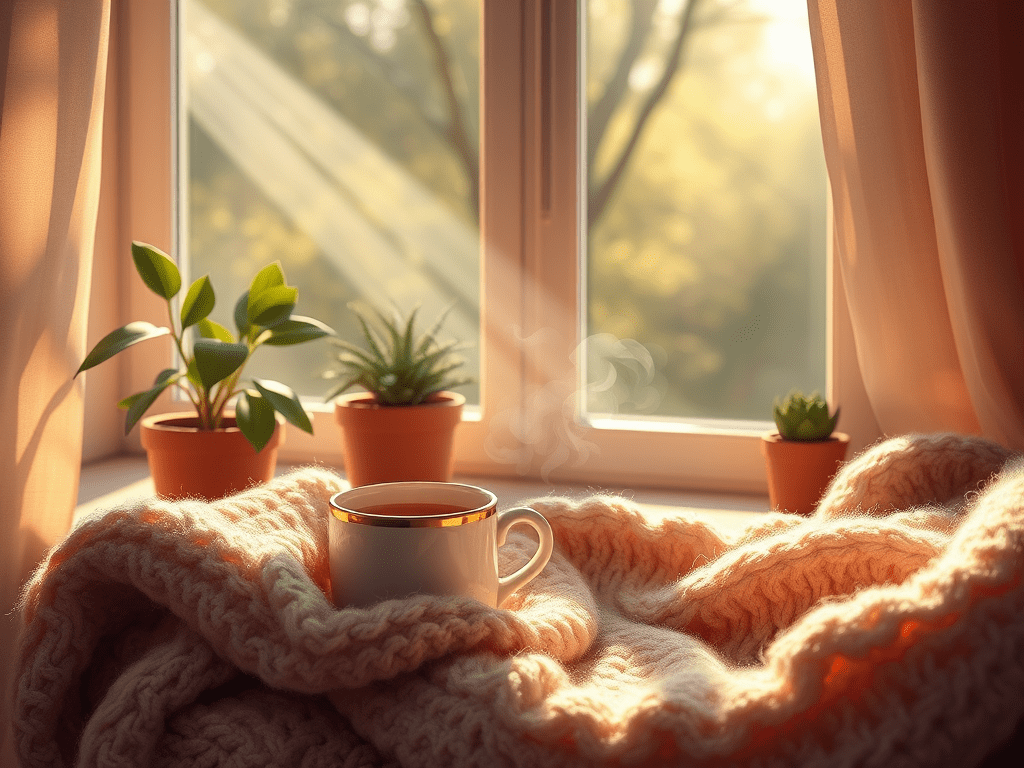
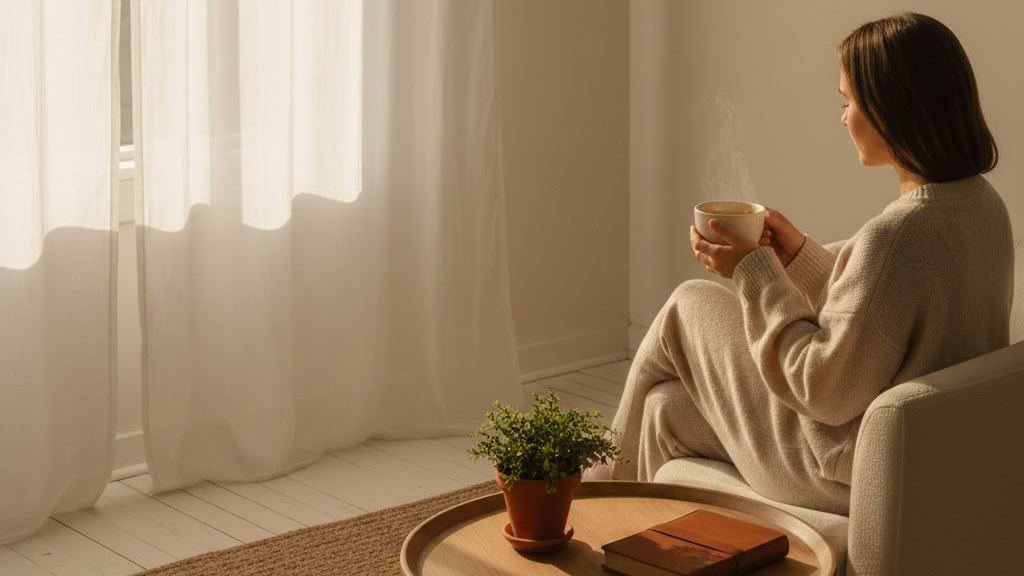
We stop noticing simple joys, a warm cup of tea, sunlight on the floor, the softness of our breath.
We forget how good life feels when we slow down.
Slow living is not an escape from life, it’s a return to it.
What Slow Living Truly Means
Slow living is often misunderstood as:
- Moving physically slow
- Not being ambitious
- Avoiding responsibilities
But slow living is none of these.
Slow living is:
Choosing fewer things but giving them your full attention
Creating spaciousness instead of rushing
Practicing intentionality over urgency
Making time for what nourishes your energy
Breaking away from the “always-on” culture
It is a lifestyle rooted in mindfulness, gentleness, and alignment.
The Science Behind Slow Living: What Happens to the Brain
When you slow down intentionally, your brain shifts from a fight-or-flight state into a rest-and-digest state, allowing:
- Clearer decision-making
- Better emotional regulation
- Increased creativity
- Lower cortisol (stress hormone)
- Improved heart health
- Better sleep
You don’t just feel better, you function better.
How Slow Living Heals Your Daily Life
1. Your relationships become more meaningful
You listen deeply.
You respond instead of react.
You create space for warmth and presence.
2. Your work becomes more focused
Rather than multitasking, you engage fully.
Quality rises. Stress falls.
3. You rediscover joy in simple things
A quiet morning.
A home-cooked meal.
A mindful walk.
These become rich experiences.
4. You reconnect with yourself
Slowness brings awareness.
Awareness brings clarity.
Clarity brings peace.
Practical Ways to Start Living Slowly
These are easy, realistic habits, even in a busy life.
1. Start your mornings without rushing
Instead of grabbing your phone, begin with:
- A stretch
- A slow breath
- One minute of silence
- A warm drink
- Light exposure
This sets the tone for the entire day.
2. Do one thing at a time
Multitasking drains your brain.
Monotasking restores it.
Try:
Focus on one task. Complete it. Then move to the next.
3. Create slow moments throughout the day
Tiny pauses matter:
- Sip water mindfully
- Look away from screens for a moment
- Step outside for fresh air
- Take five slow breaths
These resets recalibrate your nervous system.
4. Declutter your digital life
Turn off non-essential notifications.
Unfollow energy-draining accounts.
Create screen-free hours.
5. Build comforting rituals
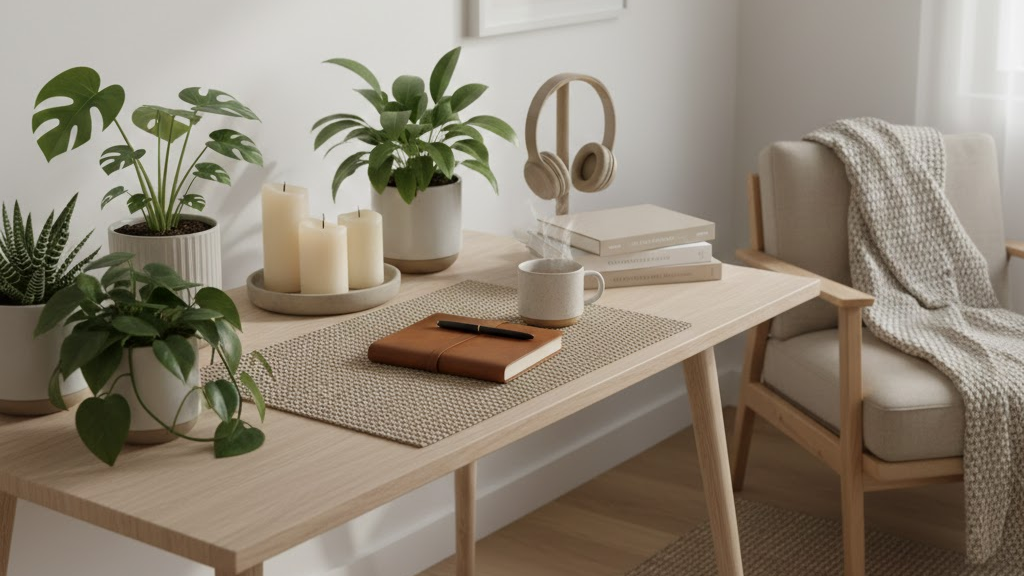
Rituals are anchors of slowness:
- Evening candle
- Journaling
- Herbal tea
- A quiet walk
- Reading before bed
These make your day feel safe and grounded.
The Mindset Shift: From “More” to “Meaningful”
Slow living isn’t a routine.
It’s an inner shift.
You begin to ask:
- “Do I need to do this right now?”
- “Does this align with my energy?”
- “Is this meaningful or just noise?”
- “What if I choose ease instead of pressure?”
As the questions change, so does your life.
A Sample Slow Morning Routine
(Simple, gentle, and doable)
- Wake up and open the windows
- Breathe deeply for 30 seconds
- Drink warm water
- Stretch or sit quietly
- Journal one sentence
- Move through your morning with intention
Just 5 minutes can transform your day.
Introspective Questions for Readers
- What is one thing I’m rushing through without noticing?
- Where can I create more breathing room in my day?
- What routines make me feel grounded and calm?
- What am I saying “yes” to that drains my energy?
- What simple joy have I ignored recently?
Slow living begins with awareness.
Conclusion: Slow Down to Come Home to Yourself
The world doesn’t slow down for us.
We must learn to slow down within it.
Slow living is not about escaping responsibility.
It’s about escaping rush.
It’s about reclaiming your time, energy, and inner peace from the noise of modern life.
When you choose slowness:
You notice more.
You feel more.
You live more.
And slowly… beautifully…
you return to yourself.
 Maison Avyra