
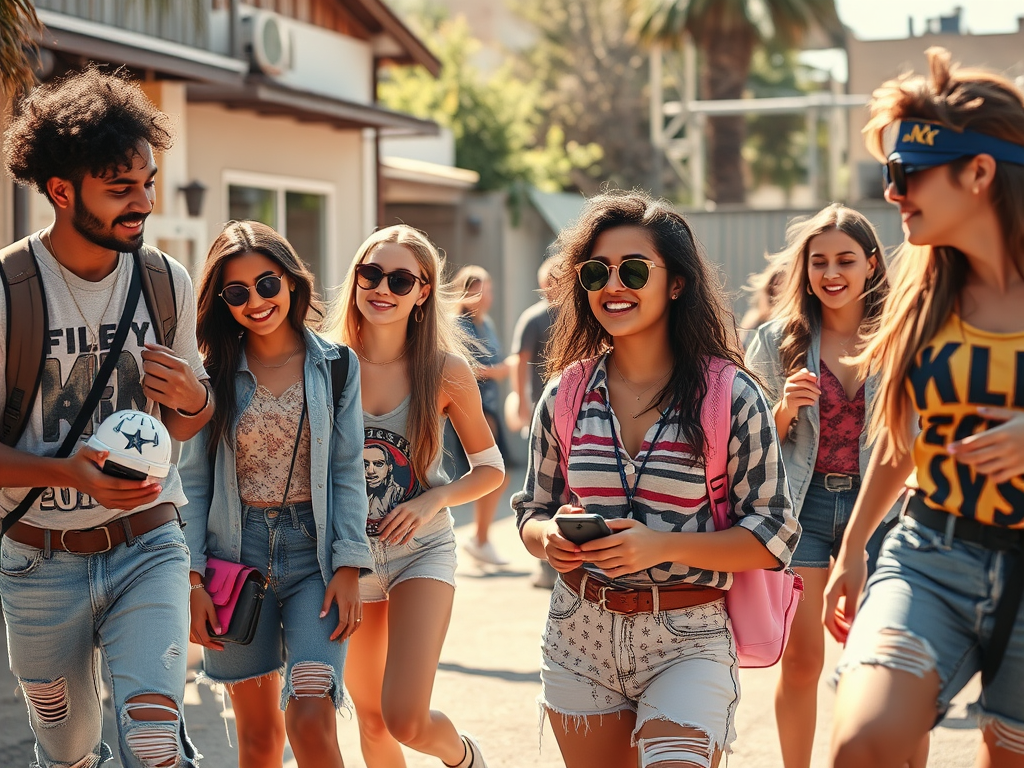
Youth culture has always influenced media, retail, and entertainment. However, the shifts happening right now among Gen Z and younger Millennials are faster. They are more expressive and more disruptive than ever. Trends that once appeared niche or nostalgic are now driving mainstream coverage and reshaping how brands communicate. From the revival of Y2K fashion in the U.S., the cultural landscape for young consumers is evolving in bold new ways. No-phone zones are becoming more popular. Many enjoy dopamine-boosting hobbies. Even adult summer camps are gaining attention.
These aren’t just fun, aesthetic-driven movements. They have deep implications on spending behaviour, brand strategy, and the future of lifestyle industries.
Why This Matters
1. These trends are reshaping business decisions
Cultural shifts among younger consumers have immediate consequences in:
- Retail & fashion (Y2K-inspired lines, nostalgic collections)
- Marketing & branding (retro campaigns, low-tech experiences, mental-health-first messaging)
- Media & entertainment (content centred on youth nostalgia, offline living, simplified lifestyles)
Brands know that Gen Z sets the tone for what becomes mainstream — and they adapt quickly to stay relevant.
2. They reflect deeper social and psychological changes
Younger generations are redefining how they live, interact, and find joy:
- Choosing offline hobbies to escape burnout
- Building “third spaces” outside work and home
- Prioritising analog experiences over constant digital noise
- Seeking comfort in nostalgia during uncertain times
- Creating new norms around rest, boundaries, and mental well-being
These shifts signal a broader move toward intentional living.
3. They carry huge viral potential
Cultural trends driven by Gen Z often spread rapidly due to:
- TikTok challenges
- Aesthetic-driven Instagram content
- YouTube nostalgia videos
- Online communities romanticizing simpler lifestyles
These trends are highly relatable and visually appealing. As a result, they’re frequently covered in mainstream media. They quickly become global talking points.
What’s Driving These Lifestyle Trends?
- Digital fatigue: Younger generations grew up online — now they crave offline moments.
- Mental health awareness: Simpler hobbies and no-phone zones help regulate dopamine and reduce stress.
- Economic pressures: Affordable, nostalgic activities feel comforting and achievable.
- Nostalgia as coping: Y2K fashion and early-2000s culture offer emotional familiarity in uncertain times.
- Community revival: Adult camps, hobby clubs, and creative meet-ups are fulfilling a longing for real-life connection.
What to Watch Going Forward
1. Launches of branded throwback lines
Expect major retailers to roll out:
- Y2K collections
- Retro sneaker drops
- Vintage-style accessories
- 2000s-inspired beauty and makeup lines
Fashion brands will capitalise on nostalgia because Gen Z continues to drive demand.
2. Media stories on youth lifestyle shifts
Look for more coverage on:
- Offline nights (no-phone evenings, analog weekends)
- Youth burnout and “soft living” culture
- Rise of dopamine-hacking habits like crocheting, roller skating, journaling
- The comeback of IRL communities, clubs, and low-tech meetups
These angles resonate across mainstream and digital-first publications.
3. Investments in new lifestyle businesses
Startups catering to younger consumers will gain traction:
- Digital detox retreats
- Adult summer camps
- Craft and hobby subscription boxes
- Social wellness experiences
- Nostalgia-themed events and products
Investors will pay close attention because youth-driven lifestyle brands often scale quickly.
4. Research data showing generational behaviour shifts
Expect reports revealing changes in:
- Spending priorities
- Time spent offline
- Mental health coping habits
- Fashion and beauty preferences
- Social and dating behaviours
Gen Z’s choices often forecast cultural norms for the next decade.
Cultural and lifestyle trends among younger generations go beyond surface-level aesthetics. They are shaping industries and rewriting consumer behaviour. These trends are also redefining modern norms. Gen Z is pushing toward intentional and nostalgic lifestyles. They seek emotionally grounded lifestyles too. Brands, media, and investors are shifting strategies to keep up. These trends will continue to make headlines because they represent the intersection of creativity, psychology, identity, and the future of consumer culture.
 Maison Avyra