

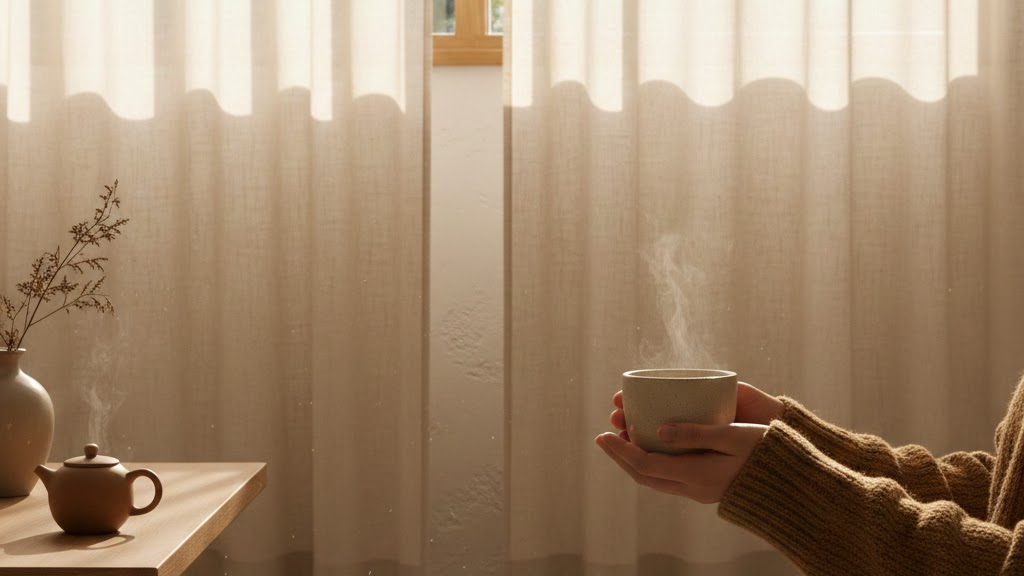
In a world that glorifies speed, productivity, and constant connectivity, slow living has quietly emerged as a radical act of self-preservation. We spend our days surrounded by pings, notifications, deadlines, and an endless hum of digital noise. Even our rest feels rushed. Yet beneath the surface, the human body and mind are wired for something different, pace, presence, and pause.
Slow living isn’t about doing everything at a glacial speed. It’s about doing things with intention. It’s the art of choosing depth over haste, stillness over noise, and meaning over mindless motion. It asks us to take back ownership of our time, attention, and inner world.
In this reflective guide, we’ll explore the science behind slowing down, the emotional benefits it offers, and practical ways to weave calm into a fast-paced life, without needing to dramatically change your world overnight.
Why Slow Living Matters: A Science-Backed Reset
Modern life keeps our nervous system in a state of near constant activation. The brain interprets the flood of information and pressure as a form of stress. This stimulates the sympathetic nervous system, the “fight or flight” mechanism, and over time, it exhausts us.
Slowing down activates the opposite state: the parasympathetic nervous system, responsible for rest, digestion, emotional balance, and clear thinking. When we intentionally pause—even for a few minutes, we lower cortisol levels, regulate heart rate, and sharpen cognitive function. Research shows that:
- Mindful breathing improves emotional regulation
- Slower routines reduce decision fatigue
- Intentional breaks enhance creativity and focus
- Present-moment awareness decreases anxiety and rumination
Slow living is not laziness. It is a biologically aligned way of living that helps us function like humans again, not machines.
What Slow Living Feels Like
Slow living is not defined by minimalism, routines, or aesthetics, though they can support it. Instead, it is a feeling:
- Waking up without immediately grabbing your phone.
- Drinking your tea before it gets cold, not while replying to emails.
- Walking without rushing.
- Speaking without haste.
- Giving yourself time to think, breathe, and arrive fully in each moment.
It is the feeling of coming back home to yourself.

Reclaiming Attention in a Distracted World
The greatest currency today isn’t money, it’s attention. Everything around us competes for it. The more fragmented our attention becomes, the more fragmented we feel inwardly.
Slow living teaches us to bring attention back to one thing at a time.
This simple shift:
- Strengthens focus
- Deepens emotional resilience
- Improves memory
- Enhances the quality of relationships
- Gives life a gentle rhythm
When we stop multitasking, life stops being blurry.
Practical Ways to Begin Slow Living
You don’t need to move to the mountains or delete every app to slow down. Start small—start where you are.
1. Create a Slow Morning Ritual
Your morning sets the tone for your entire day.
Try:
- Drinking something warm while sitting
- Two minutes of deep breathing
- Light stretching
- Journaling a single intention
Even 10 unrushed minutes can shift your nervous system into calm.
2. Insert Micro-Pauses Throughout the Day
Tiny pauses change everything.
Pause before opening a new tab.
Pause before responding to a message.
Pause before reacting emotionally.
Micro-pauses strengthen self-awareness and reduce impulsive stress responses.
3. One Device-Free Hour
Choose any hour of your day, morning, lunch break, or before bed.
No phone. No screens. Just you, your breath, your thoughts, your space.
This single practice deepens clarity and self-connection.
4. Simplify Your Surroundings
Clutter speeds up the mind because every object is a “mental reminder.”
A simplified environment supports a calmer inner world.
- Keep only what you use
- Reduce visual noise
- Introduce natural elements like plants
A peaceful space encourages peaceful thoughts.
5. Practice “Slow Relationships”
Our conversations and connections often feel rushed, transactional, or shallow.
Slow relationships look like:
- Listening fully without preparing your reply
- Being present with the people you care about
- Ending conversations gently, not abruptly
- Spending time without distractions
This transforms relationships from routine to truly meaningful.
6. Embrace Gentle Evenings
Slow evenings help your mind unwind so your body can rest deeply.
Try:
- Dim lights after 8 PM
- Gentle music
- Slow journaling
- A warm shower
- Reading for pleasure
Evenings should feel like landing, not crashing.
Deep Introspective Questions for a Slow Life
Use these as journaling prompts or quiet reflections:
- What am I rushing through, and why?
- Where do I feel most calm? How can I invite more of that into my life?
- Which habits drain me, even if they seem tiny?
- What do I genuinely want to make space for?
- How would my days look if I valued depth over speed?
- Who brings peace into my life, and who disrupts it?
- What would a slower, more compassionate version of myself choose today?
These questions help you shift from autopilot to awareness.
Slow Living Is a Return, Not a Retreat
Slow living isn’t about escaping life, it’s about participating in it more fully.
It’s choosing to be present instead of perpetually preparing for the next thing.
It’s understanding that life’s richness isn’t found in speed, but in experiencing moments instead of racing through them.
When you slow down:
You taste your meals more.
You hear conversations better.
You breathe deeper.
You feel emotions instead of suppressing them.
You reconnect with who you truly are beneath the noise.
Slowing down is a form of returning, to your body, your mind, your values, your inner rhythm.
In a fast world, slow living becomes a form of quiet rebellion, and profound healing.
 Maison Avyra