
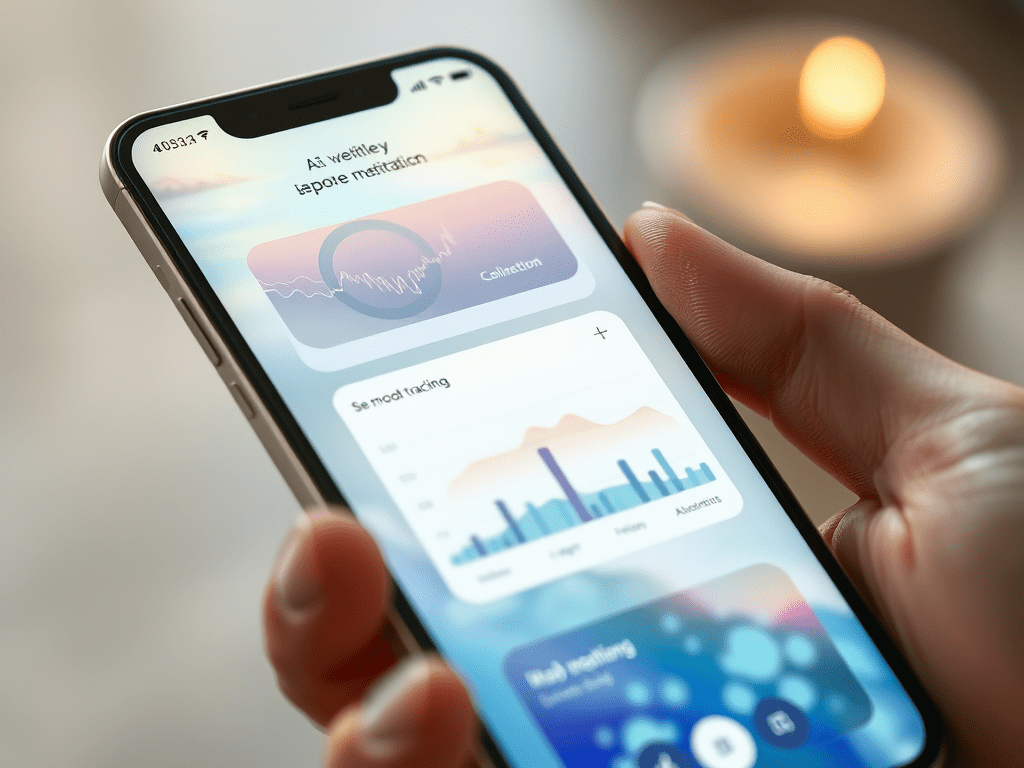
In the last few years, technology has evolved rapidly, but in today’s news, one trend stands out above all: AI-powered emotional wellness tools. Technology is expanding its reach. It includes mood tracking apps and AI-guided meditation companions. There are also digital therapy bots and sleep improving soundscapes. These innovations position technology as a role we never expected, our personal wellness coach.
More people than ever are using AI to manage stress, understand their emotions, build healthier habits, and deepen their self-awareness. And unlike traditional wellness tools, AI offers something incredibly powerful: personalized support available anytime, anywhere.
The shift is so strong that wellness experts are calling this movement the beginning of “The Digital Self-Care Era.” Technology, once blamed for increasing stress, is now transforming into a tool for healing.
Why AI Wellness Is Booming
AI wellness tools are not just trending, they are booming, and the reasons are clear. People want wellness routines that fit into their busy lifestyles, feel personalized, and are accessible 24/7. AI delivers exactly that.
1. Personalization at a Deep Level
AI studies patterns, behaviors, words, moods, and even tone to give tailor-made recommendations.
Instead of one-size-fits-all advice, it offers:
- customized meditation sessions
- stress-level predictions
- personalized gratitude prompts
- cognitive reframing
- emotional check-ins
- habit reminders based on individual needs
This level of personalization was once possible only in private therapy. Now, it’s in everyone’s pocket.
2. Accessibility: Wellness Anytime, Anywhere
Not everyone has the time, budget, or access to traditional therapy. AI tools bridge that gap by providing:
- instant support
- unlimited availability
- flexible timing
- no travel
- private, judgment-free space
For people in remote areas or hectic jobs, AI becomes a reliable companion.
3. Non-Judgmental, Safe Emotional Space
Many users feel more comfortable opening up to AI because there is no fear of being judged. This emotional safety encourages honest self-reflection, which is crucial for healing and growth.
4. Consistency That Humans Struggle With
AI doesn’t forget. It doesn’t cancel. It doesn’t skip days.
It helps keep wellness routines stable, something most people struggle with.
Daily reminders, gentle nudges, personalized insights… all create steady progress.
5. A Rising Global Need for Emotional Support
Stress, burnout, and anxiety are at record highs today. People are actively searching for tools that help them cope in real time.
AI offers immediate micro-support in moments that matter.
Together, these factors explain why AI wellness adoption is increasing across age groups, from students to CEOs to parents.
Mental Health Experts Respond
As AI wellness tools dominate headlines, mental health professionals are weighing in to clarify a crucial point:
AI is a support system, not a replacement for human therapy.
1. AI Helps With Daily Emotional Maintenance
Experts say AI is excellent for:
- tracking patterns
- interrupting negative spirals
- guiding breathing
- providing coping strategies
- supporting mindfulness
- helping users understand emotions
These tools work well for everyday stress, mild anxiety, and general wellbeing.
2. But AI Cannot Replace Human Sensitivity
Therapists highlight that AI:
- cannot fully understand deep trauma
- cannot replace human empathy
- cannot manage crisis situations
- cannot provide long-term clinical treatment
- cannot replicate the nuance of a trained psychologist
Human therapy involves emotional depth, relational trust, and clinical judgment, things AI is not built for.
3. The Best Outcome: AI + Human Therapy
Experts believe the future is a hybrid model.
AI handles daily emotional hygiene.
Humans handle serious emotional and psychological healing.
This combination makes mental health care more accessible and more effective.
4. AI Helps People Seek Therapy Sooner
Interestingly, many people using AI wellness apps become more self-aware and are more likely to seek professional help when needed. AI doesn’t block therapy, it often leads people to it.
In short, mental health specialists embrace AI as a powerful supplementary tool, but encourage people to continue valuing human connection.
Top AI Self-Care Rituals to Try
If you want to integrate AI into your wellness routine, here are the most powerful and trending digital self-care practices being used today:
1. Mood Journaling with AI
AI mood diaries help users log emotions, recognize emotional triggers, and reflect on the patterns behind their mental state.
They can tell when you are stressed, anxious, overwhelmed or even when you’re improving.
These tools act like a mirror, helping you understand yourself better.
2. AI-Guided Meditations
Unlike traditional meditation apps, AI adapts the session based on:
- your mood
- your breathing
- your past preferences
- your stress level
- your tone of voice
This makes every session feel customized and deeply effective.
3. Bedtime Soundscapes & Sleep Coaching
AI creates personalized sleep experiences using:
- ambient sounds
- nature tones
- white/pink/brown noise
- relaxing stories
- customized breathwork
Some tools even track your sleep cycles and adjust guidance accordingly.
4. Stress Prediction Coaching
One of the most cutting-edge AI tools is stress prediction.
Based on your behavior, messages, patterns, and habits, AI can warn you:
“You’re entering a stress cycle. Let’s take a 2-minute pause.”
This early intervention prevents emotional overload.
5. AI-Powered Affirmations
Unlike generic affirmations found online, AI creates personalized statements aligned with your goals, fears, and emotional needs.
These affirmations feel relevant, grounded, and emotionally resonant.
6. Breathwork Support
AI can guide breathing exercises in real time based on your voice, heart rate trends (with wearables), and stress level.
It becomes a personal breath coach anywhere you go.
7. Micro-Therapy Check-Ins
AI wellness companions offer quick check-ins that feel like tiny therapy sessions.
In 1–3 minutes, they help you:
- regulate emotions
- break overthinking loops
- challenge negative thoughts
- remind you of your strengths
- reflect consciously
These micro-sessions are incredibly grounding.
Why AI Wellness Will Continue to Grow
As life becomes busier, more digital, and more demanding, people are looking for immediate emotional support. AI meets that need with convenience, personalization, and consistency.
This trend is not replacing human therapists,
it is simply giving people a new way to care for their mind daily.
The future of self-care will be a blend of human warmth and AI intelligence, a partnership that makes mental wellness more accessible to everyone.
AI wellness tools are not just a trend,
they are becoming a fundamental pillar of modern emotional health.
 Maison Avyra