
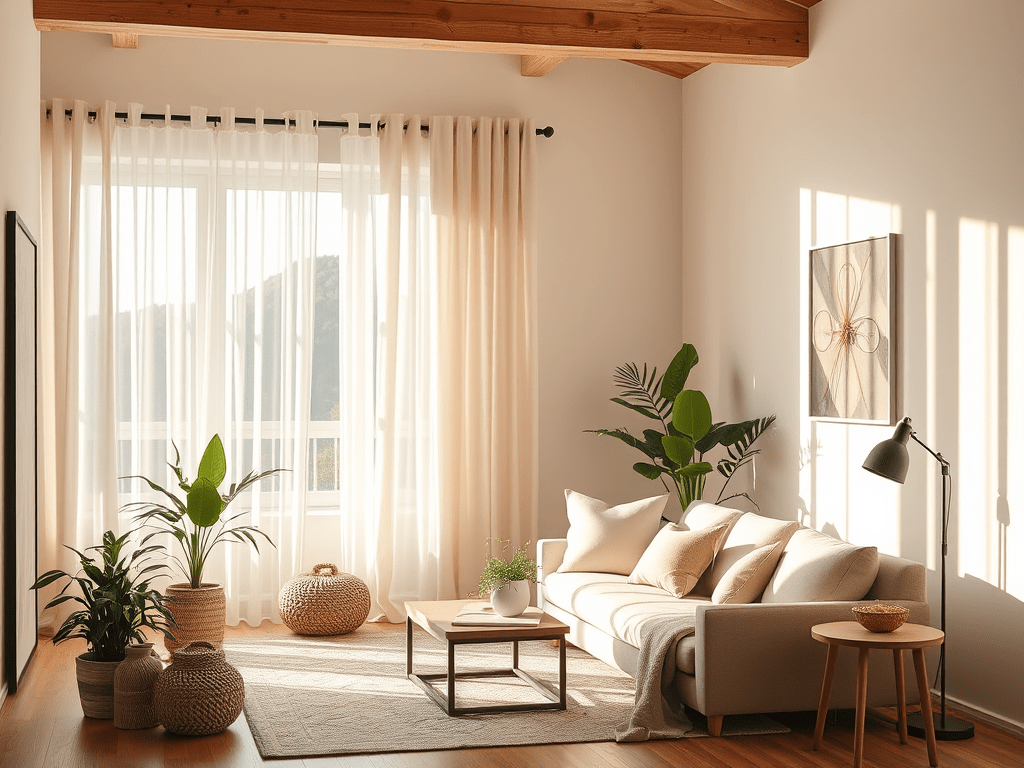
In the fast-paced world we live in, a new movement is quietly rising. This movement doesn’t demand more productivity. It does not require more hustle or more success. Instead, it invites us to slow down, breathe, and choose a life that feels gentle, intentional, and emotionally aligned.
Welcome to Soft Living, 2025’s biggest wellness trend.
Across wellness reports, psychology journals, and global lifestyle conversations, the message is clear: people are tired. Tired of burnout. Tired of rushing. Tired of performing. Tired of doing more than their mind and body can handle.
Soft living is the antidote, a lifestyle rooted in ease, emotional harmony, and conscious simplicity.
Why Soft Living Is Gaining Momentum in 2025
The rise of soft living is not accidental. It’s a response to an overstimulated, overworked, and overwhelmed society.
For years, hustle culture taught us that success meant exhaustion. That your worth was tied to how much you could achieve before the world woke up. That rest was a luxury. That slowing down meant falling behind.
But people are waking up to a more important truth:
Speed does not equal happiness. Constant productivity does not equal peace. Achievement does not equal wellbeing.
Soft living is becoming popular because it reclaims something modern life has taken away, the right to move at your own pace.
As Gen Z and Millennials increasingly prioritize mental wellness, emotional clarity, and a balanced lifestyle, soft living is stepping forward as a powerful alternative to the high-pressure world we’ve normalized.
What Soft Living Really Means
Soft living is often misunderstood as laziness or lack of ambition. But that couldn’t be further from reality.
Soft living is not doing nothing.
It is doing what truly matters, in a way that feels nurturing rather than draining.
It’s choosing:
- peace over pressure
- clarity over chaos
- quality over speed
- alignment over obligation
It’s about returning to yourself, your energy, your rhythm, your emotional needs and building a life that supports them.
Soft living is a mindset and a lifestyle. It’s the art of living gently without guilt.
How Soft Living Transforms Your Mental Health
The science behind soft living is powerful. When you adopt a slower, more intentional way of moving through life, your mental health doesn’t just improve, it flourishes.
Here’s how soft living influences your inner world:
1. It Reduces Cortisol Levels
Cortisol, the stress hormone, rises when the mind is constantly in a state of hurry. Living softly, by slowing down your mornings, creating quiet evenings, and practicing intentional pauses, lowers stress and brings your nervous system back into balance.
You start to feel lighter, calmer, more grounded.
2. It Enhances Emotional Resilience
When your life is not packed with noise and chaos, your emotional capacity expands. You have space to process, understand, and respond rather than react. This allows you to become more emotionally steady and self-aware.
Soft living gives you the emotional strength that hustle culture suppresses.
3. It Improves Sleep Quality
Soft living encourages slow evenings, gentle routines, and reduced screen exposure, all of which enhance sleep quality. Better sleep means better immunity, better mood, better focus, and better overall wellbeing.
Rest becomes a healing ritual, not something you squeeze in.
4. It Boosts Creativity & Focus
Your best ideas don’t come from stress, they come from stillness. When you give your mind space, it begins to think more clearly, create more deeply, and focus more powerfully.
Soft living helps you work smarter, not harder.
Daily Soft Living Rituals to Bring Peace Into Your Life
Soft living isn’t something you practice once. It’s something you weave into your routine every day. The good news is, it doesn’t require big changes. It’s the small rituals that transform everything.
Here are gentle practices to help you step into a softer life:
1. Start the Day With Gentle Stretches
Your morning sets the energy for your entire day.
Instead of waking up and reaching for your phone, start with:
- shoulder rolls
- gentle back stretches
- neck movements
- deep breathing
This awakens your body without shock and invites calmness into your morning.
2. Protect Your “Slow Hours” Mornings & Evenings
Soft living begins with boundaries.
Create two slow, sacred spaces in your day:
- the first hour after you wake up
- the last hour before you sleep
During these times:
- avoid screens
- move slowly
- sip your tea mindfully
- read
- journal
- practice gratitude
These hours become your emotional anchor points.
3. Create a Calming Home Environment
Your home reflects your mind.
When your space is peaceful, your energy shifts too. Simple changes like:
- soft lighting
- decluttered corners
- soothing colors
- plants
- cozy blankets
- clean spaces
can make your home a sanctuary.
Soft living begins where you spend most of your time.
4. Choose Rest Without Guilt
In a world obsessed with hustle, resting feels rebellious.
But rest is not laziness, it’s fuel.
Soft living encourages:
- taking breaks
- slowing down when your body asks
- pausing without apologizing
- resting before burnout hits
When you honor your energy, you protect your wellbeing.
5. Practice Saying “No” Without Explaining
This is one of the core elements of soft living.
You don’t need to justify your boundaries.
You don’t need to apologize for protecting your peace.
You don’t need to explain why something doesn’t feel right.
A simple “No, thank you” is enough.
Soft living is the art of choosing yourself.
The Heart of Soft Living: Doing What Nourishes You
At its core, soft living isn’t about doing less, it’s about doing what truly supports your mind, body, and soul. It’s about removing the unnecessary, simplifying the complicated, and choosing the path that feels aligned rather than forced.
Soft living reminds us that:
- life doesn’t need to be rushed
- peace is a form of success
- balance is a form of strength
- rest is a form of productivity
- gentleness is a form of power
When you embrace soft living, you don’t fall behind, you rise with clarity, calmness, and emotional authenticity.
And perhaps that is the future of wellness:
A world where living gently becomes our greatest strength.
 Maison Avyra