
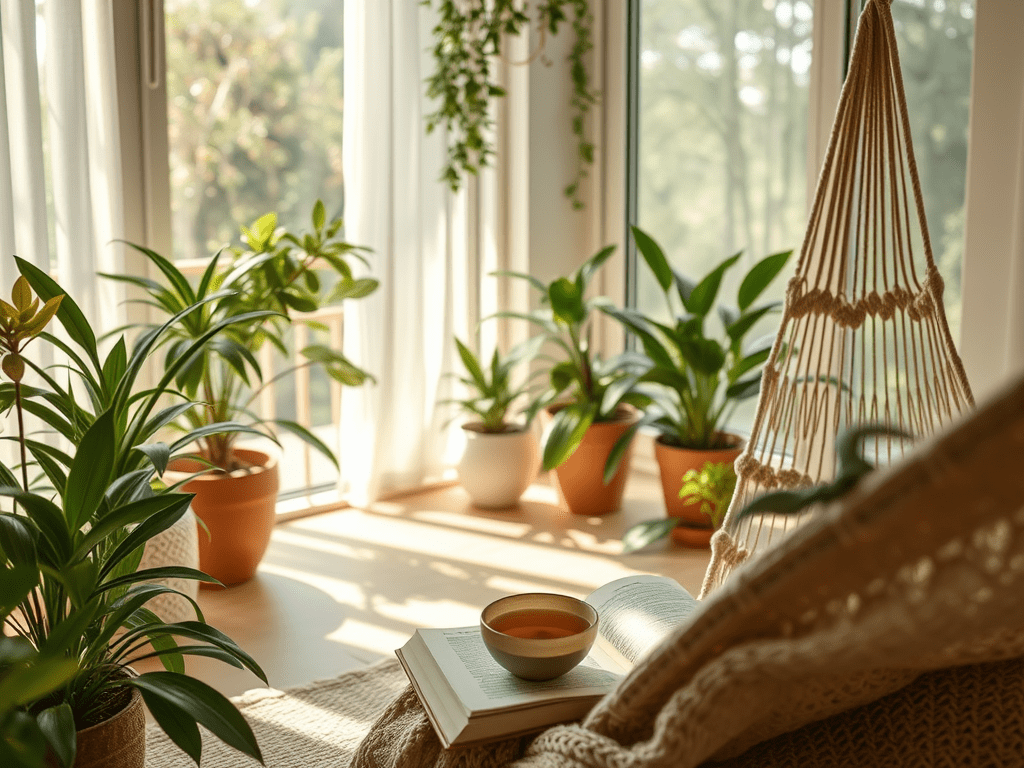
In a world that moves at lightning speed, calendars are overbooked. Notifications never stop buzzing. Amidst this chaos, a quiet revolution is taking place. Around the globe, people are beginning to crave something far more precious than productivity, success, or hustle. They are craving rest, real rest. Not the kind you squeeze into the leftover spaces of your day, but intentional, protected, fully honored rest.
Today’s wellness headlines highlight a powerful cultural shift. Humans are no longer chasing more output. They are chasing Slow Living Hours. These are sacred pockets of time dedicated to mental stillness, digital pausing, sensory reset, and emotional clarity. Once considered a luxury, slow living is now becoming a global wellness necessity.
As burnout reaches record levels, rest is emerging not only as a lifestyle preference but as a survival skill. People are waking up to a simple truth: the pace we’ve been living at is unsustainable, and slowing down is not indulgence, it is medicine.
Why This Trend Is Rising: The World Is Exhausted
For years, society has celebrated the hustle. Productivity was worshipped. Being “busy” was seen as a badge of honor. But this mindset has come at a cost.
1. Burnout has become a global epidemic
Psychologists and workplace researchers are reporting unprecedented levels of exhaustion. People feel drained, numb, overstimulated, and emotionally depleted. Burnout is no longer limited to high-pressure industries; it is affecting students, parents, freelancers, and even teenagers.
What we’re experiencing isn’t just tiredness, it’s a deep, chronic depletion of energy, attention, and emotional capacity. And the world is finally starting to acknowledge it.
2. We live in a constant fight-or-flight mode
Sleep researchers warn that our nervous systems are operating in permanent alert mode. The combination of endless decision-making, constant digital input, and high-stress lifestyles has conditioned the human body to stay “switched on.”
This means our minds rarely experience true rest, and our bodies rarely enter healing mode. Without intentional slowing down, we simply never recover.
3. Ultra-processed lifestyles are harming immunity and mood
From rushed meals and poor sleep to constant screen exposure and overstimulation, modern living has created an internal imbalance. Many people are experiencing:
- weakened immunity
- irritability
- anxiety
- hormonal dysregulation
- emotional fatigue
- difficulty concentrating
The more disconnected we become from our natural rhythms, the harder it becomes to feel grounded.
4. Stress recovery is becoming as important as nutrition
Wellness reports worldwide now emphasize that managing stress is as essential as eating well. You cannot eat your way, supplement your way, or work out your way out of chronic overwhelm.
If the nervous system is overstressed, nothing else functions properly.
This is why Slow Living Hours are becoming a defining wellness trend of our time. They allow people to create intentional space for repair. They also provide opportunities for recalibration and inner alignment.
What Slow Living Hours Actually Look Like
Slow living isn’t about changing your entire life. It’s about changing the texture of your moments. It’s about finding softness in a world of sharp edges. A single slow hour in your day can reset your emotional state, calm your mind, and restore your energy.
Here are simple practices people are adopting:
• A 20-minute walk without your phone
Moving your body without distraction allows the mind to breathe. You notice your surroundings, you reconnect with yourself, and your brain shifts from survival mode to presence.
• A cup of tea taken slowly
Not while answering emails. Not while scrolling. Just you and the warmth of the cup. This kind of simple, sensory ritual has a powerful grounding effect on the nervous system.
• Staring out of a window and letting your thoughts settle
In a world obsessed with constant stimulation, staring into space is actually a healing practice. Neuroscientists call this “wakeful rest,” and it restores creativity and emotional clarity.
• Journaling for five quiet minutes
Not to be productive, just to release mental clutter, soften emotional weight, and reconnect with what matters.
• Gentle stretching or breathwork
Slow breathing lowers cortisol, relaxes muscles, and brings the mind back into balance.
These moments may seem small, but they are not insignificant. They are acts of emotional maintenance, the equivalent of tidying your inner world.
Slow Living Hours help you stop reacting to life and start experiencing it again.
Why Slow Living Works: The Science and Soul of Stillness
When you slow your external world, something remarkable happens inside you.
1. Your nervous system resets
Pausing helps the body shift from fight-or-flight mode into rest-and-digest mode. This transition is where healing happens, physically, mentally, and emotionally.
2. Your mind unclenches
Quiet moments allow stress hormones to decrease and cognitive overload to clear. Suddenly, the fog lifts. You can think again. You can feel it again. You can breathe again.
3. Creativity returns
Stillness creates space for ideas, insights, and mental connections. This is why people often get their best ideas in the shower, during a walk, or while doing nothing.
4. Emotions become easier to manage
When life slows down, we finally have time to process what we’re feeling. We no longer carry unresolved emotions into the next day.
5. Your life becomes more intentional
Slow living helps you stop moving on autopilot. You choose your actions, your responses, your attention, instead of reacting to life’s noise.
Slow Is Not Weak, Slow Is the Way Humans Heal
Fast living may get things done, but slow living makes life feel meaningful.
When people choose Slow Living Hours, they are not opting out of the world, they are opting back into themselves. In a culture obsessed with speed, slowness becomes a form of self-respect. It is a statement:
“I deserve to live a life that feels good, not just looks busy.”
Slow is how clarity returns.
Slow is how energy is restored.
Slow is how emotional balance emerges.
Slow is how humans reconnect with their natural rhythm.
Slow is not the opposite of productivity, it is the foundation of sustainable success.
Slow is not a weakness.
Slow is wisdom.
Slow is healing.
 Maison Avyra