
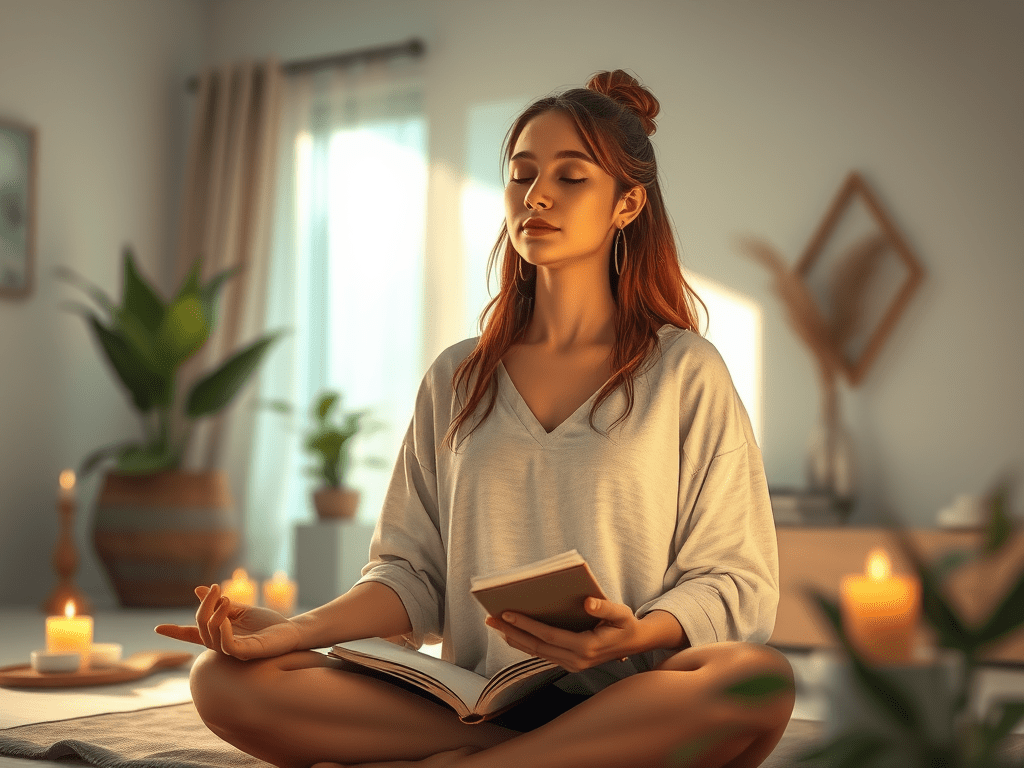
Wellness in 2025 looks different, calmer, slower, and rooted in meaning rather than excess. Across global beauty, lifestyle and health trends, one core shift is gaining attention: Quiet Luxury in self-care. Instead of glamor, loud packaging, and trend-hopping, people now seek mindful routines, emotional well-being, intentional products, and slower living.
Recent beauty and wellness reports show that consumers today aren’t just looking for products. They are searching for connection, meaning, and rituals that support inner balance. What was once about looking good is now evolving into a lifestyle of feeling good, mentally, emotionally, and physically.
Why This Shift Matters
For years, self-care was marketed as indulgence, shopping sprees, 20-step skincare routines, or luxury products. But today’s global conversations around sustainability, mental health, and mindful living have changed the narrative.
Self-Care as Emotional Grounding
Self-care today is becoming a practice of emotional balance and self-respect. It’s no longer only about glowing skin, it’s about a calm nervous system, emotional resilience, and nourishing routines that feel grounding.
Conscious & Sustainable Choices
More people now choose brands that align with their values, clean ingredients, ethical sourcing, minimal packaging, and environmental responsibility. This idea of conscious luxury means you don’t need more, you need better.
Rituals over Routines
Skincare, body care, and beauty are no longer rushed tasks, they are moments of pause. A five-minute facial massage, applying moisturizer with intention, or lighting a candle during your nighttime routine creates a personal ritual of care.
This shift signals something powerful:
Self-care is not an escape, it’s a lifestyle.
The Power of Simple, Zero-Cost Habits
A leading neurologist recently highlighted that improving wellness does not always require expensive therapy, gym memberships, or premium products. Sometimes, the most powerful wellness practices are free and right in front of us.
Here are small daily habits that create a big long-term impact:
Start Your Morning With Intention
Before reaching for your phone, spend a few minutes stretching, breathing deeply, or practicing gratitude. It signals to your nervous system: Today, I choose calm.
Practice Mindful Eating
Eat slowly, savor your food, and connect with how it makes you feel. Mindful eating improves digestion, reduces stress, and strengthens the connection between body and mind.
Calm Your Mind During Stress
A short walk, grounding breathwork, or a pause to observe your surroundings can interrupt stress signals and bring balance.
Stay Connected
Meaningful relationships remain one of the strongest predictors of mental well-being. A 10-minute conversation with someone who cares about you can be more healing than hours of scrolling or isolation.
These habits show a simple truth:
Wellness doesn’t need a shopping cart, just intention and consistency.
Mental Health: A Daily Priority, Not a Workplace Bonus
Corporate wellness is also evolving. Companies across India and globally now recognize that mental health isn’t a perk, it’s essential. One-off yoga workshops or occasional mental health days are no longer enough.
Reports show a significant percentage of employees experience ongoing stress, burnout, or emotional fatigue, proving that mental health challenges are not occasional, but constant.
What real workplace wellness looks like:
- Regular access to counselling or mental health support
- Flexible working models and realistic deadlines
- Open communication without stigma
- A culture that sees people as humans, not productivity machines
When workplaces cultivate psychological safety, they don’t just improve productivity, they create loyalty, creativity, and long-term well-being.
Self-care, therefore, becomes a shared responsibility, not just a personal one.
The Rise of “Glowcations”: When Travel Meets Wellness
Another rising trend shaping 2025 is wellness travel, especially what experts are calling glowcations, trips designed not for sightseeing, but for rejuvenation.
Whether it’s yoga retreats, digital detox getaways, spa-immersive experiences, or nature-based stays, people today want to travel to refresh their skin, body, mind, and energy.
Why glowcations are trending:
- People are mentally exhausted and crave deep rest
- There is growing awareness of nervous system reset and emotional recovery
- Travel feels more meaningful when it nourishes the whole self
The best part?
A glowcation doesn’t always require long flights or expensive resorts.
You can experience one locally by:
booking a weekend stay in nature
creating a no-device hotel night
practicing meditation, journaling, and skincare rituals while away
A glowcation isn’t about luxury, it’s about renewal.
Final Reflection: Self-Care Is Returning to Its True Meaning
Self-care in 2025 is no longer defined by consumption, it’s defined by consciousness. It’s about choosing what supports your well-being, what aligns with your values, and what helps you feel grounded, peaceful, and connected with yourself.
The new era of self-care teaches us:
Less noise, more presence.
Less rushing, more ritual.
Less reacting, more reflecting.
Less perfection, more compassion.
Quiet luxury isn’t about showing the world you have wellness, it’s about feeling well within yourself.
 Maison Avyra