
When the Air You Breathe Becomes a Wellness Priority
Across today’s headlines, one issue keeps resurfacing with urgency. Air quality across major Indian cities has slipped into the “unhealthy” and “very unhealthy” range. This affects millions of people daily. According to reports from IQAir, pollution levels are no longer seasonal inconveniences. They are becoming a constant backdrop to everyday life. This situation especially affects children, older adults, and anyone with respiratory sensitivities.
But this isn’t just an environmental crisis.
It’s a wellness crisis.
The air we breathe influences everything from our energy levels and immune strength to our mental clarity and emotional balance. In a world where clean air is no longer guaranteed, self-care is evolving. Wellness today is not only about what you eat or how you move. It’s about how consciously you protect your body from the environment around you.
Pollution as a Daily Wellness Challenge
Air pollution quietly places the body in a state of chronic stress. Fine particulate matter (PM2.5 and PM10) enters the lungs, triggers inflammation, and circulates through the bloodstream. Over time, this exposure can contribute to:
- Persistent fatigue and brain fog
- Headaches and sinus congestion
- Reduced lung capacity
- Increased anxiety and irritability
- Long-term risks for heart and respiratory health
What makes pollution especially challenging is that you cannot simply “opt out” of breathing. Unlike unhealthy food or overwork, polluted air surrounds you whether you are aware of it or not. This is why modern wellness is shifting toward protective self-care. These are small, consistent practices that reduce harm. They help the body recover.
The good news? You don’t need extreme measures. Thoughtful, everyday choices can make a meaningful difference.
1. Improve Indoor Air Quality: Turn Your Home into a Healing Space
When outdoor air feels hostile, your home becomes your first line of defense. Most people spend the majority of their time indoors. Therefore, cleaning indoor air is one of the most powerful wellness upgrades you can make.
Invest in Clean Air Support
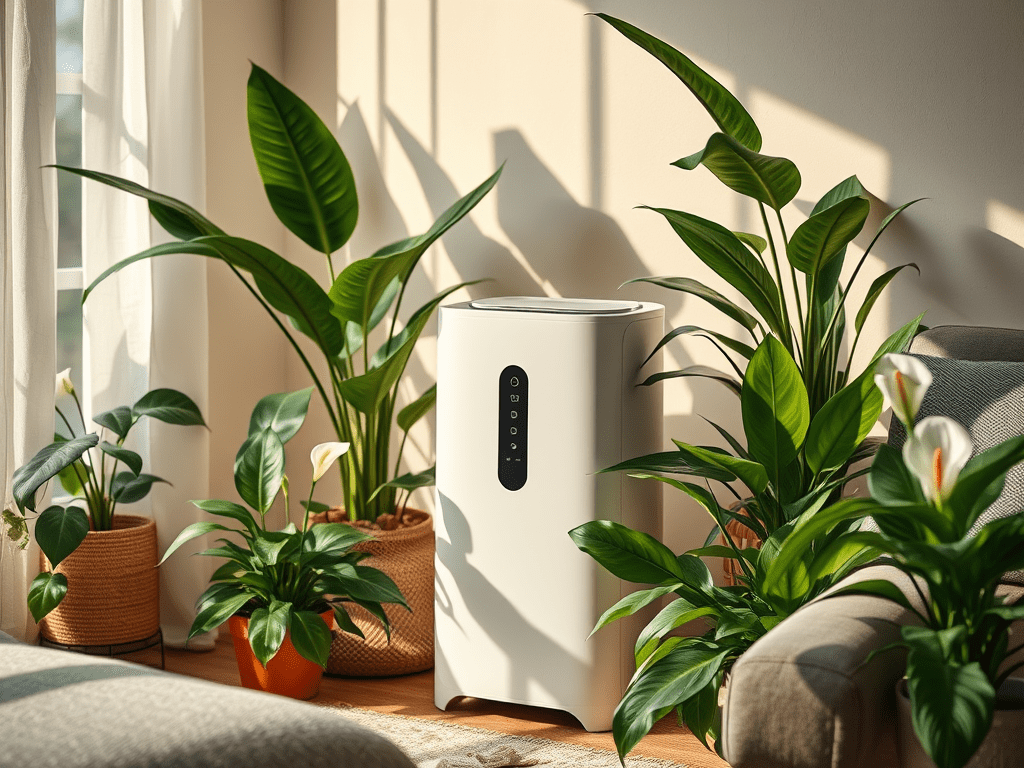
Air purifiers with HEPA filters are no longer luxury items, they are wellness essentials. They help trap microscopic particles, allergens, and pollutants that enter through windows, doors, and ventilation systems. Even using one purifier in your bedroom can improve sleep quality and breathing overnight.
Use Nature as a Companion
Indoor plants don’t just add beauty; they offer subtle emotional relief and limited air-cleansing benefits. Plants like snake plant, peace lily, areca palm, and money plant help create a calming environment that supports mental well-being. While they can’t replace purifiers, they soften your space psychologically, which matters deeply during stressful conditions.
Reduce Indoor Pollution Sources
Self-care also means minimizing what you add to the air:
- Limit incense sticks, candles, and strong room fresheners
- Reduce deep frying and smoky cooking methods when possible
- Avoid smoking indoors entirely
These small shifts reduce the invisible load your lungs carry every day.
2. Mindful Outdoor Time: Move with Awareness, Not Pressure
Movement is essential for wellness, but how and when you move matters more than ever in polluted environments.
Track, Don’t Ignore, Air Quality
Checking AQI levels daily is now a form of self-respect. Pollution fluctuates throughout the day, often peaking during traffic hours and settling slightly in early mornings or late evenings. Planning your walks, runs, or commutes during lower AQI windows can significantly reduce exposure.
Adapt Your Fitness, Not Abandon It
On high-pollution days:
- Choose indoor yoga, stretching, pilates, or body-weight workouts
- Focus on slow, controlled movements instead of intense cardio
- Reduce workout duration but maintain consistency
This approach protects your lungs while honoring your body’s need for movement.
Protect Yourself When You Step Out
Certified pollution masks (N95 or equivalent) are no longer symbols of fear, they are symbols of awareness. Wearing one during high-AQI days is an act of care. This is especially true if you commute. It also applies if you walk long distances or spend time outdoors.
3. Support Your Body from Within: Nutrition as Internal Protection
While you can’t control the air completely, you can strengthen how your body responds to it. Nutrition plays a powerful role in counteracting inflammation caused by pollution.
Hydration Is Non-Negotiable
Water supports your body’s natural detox systems. Staying well-hydrated helps flush out toxins and keeps mucous membranes moist, allowing your respiratory system to function more efficiently.
Eat for Defense, Not Restriction
Certain foods help neutralize oxidative stress caused by pollution:
- Antioxidant-rich fruits like berries, oranges, and pomegranates
- Anti-inflammatory spices like turmeric and ginger
- Leafy greens that support cellular repair
- Healthy fats that reduce systemic inflammation
This isn’t about dieting, it’s about nourishing resilience.
Breathe with Intention
Breathing exercises, especially pranayama, gently strengthen lung capacity while calming the nervous system. Practices like slow nasal breathing, alternate nostril breathing, or simple breath awareness help counteract shallow breathing. These practices address stress-driven breathing patterns caused by polluted air and anxiety.
Emotional Wellness in Polluted Spaces
There’s an often-ignored aspect of pollution: its emotional impact. Gray skies, restricted movement, and constant health warnings can quietly drain optimism. Feeling low, anxious, or irritable during poor air quality isn’t weakness, it’s a human response.
This is where compassionate self-care matters most:
- Reduce guilt around resting more on heavy-pollution days
- Create comforting indoor rituals, warm drinks, music, journaling
- Stay socially connected, even if movement feels limited
Wellness is not productivity. Sometimes it’s simply staying regulated in a challenging environment.
Breathing Is the Foundation of Self-Care
Wellness today is no longer isolated from the world we live in. It adapts, responds, and evolves.
In an era where clean air can’t be taken for granted, self-care becomes an act of protection. It is also an act of awareness and kindness toward your body. You don’t need perfection, you need consistency. Small daily choices, repeated gently, help your system cope and recover.
When the air outside feels heavy, remember this:
Your body still deserves ease.
Your breath still deserves care.
And your wellness is still worth protecting.
 Maison Avyra