January carries a quiet kind of power. It arrives with clean calendars, softer expectations, and a collective pause that invites reflection. Unlike past years, where wellness resolutions often felt loud, extreme, or short-lived, 2026 is opening with a different tone. The focus has shifted from chasing perfection to cultivating sustainability.
Across health and lifestyle conversations, experts and publications like Good Housekeeping are sharing a prevailing insight. The insight is that wellness doesn’t require a dramatic transformation. It requires consistency, compassion, and habits that actually fit real life.
This year isn’t about becoming someone new.
It’s about supporting the body and mind you already have.
Why This Year Is Different
For a long time, wellness culture was rooted in extremes, intense fitness challenges, rigid diets, and “all-or-nothing” mentalities. While motivating at first, those approaches often led to burnout, guilt, or abandonment by February.
In contrast, 2026 is defined by gentle realism.
People are no longer chasing chaotic goals. Instead, they are focusing on:
- Better sleep instead of earlier alarms
- Mindful eating instead of restrictive rules
- Consistent movement instead of punishing workouts
According to wellness coverage from Good Housekeeping, small and achievable changes are now the most recommended approach. The reason is simple: habits that respect your energy last longer than habits that fight it.
This shift also reflects a deeper understanding of stress, nervous-system health, and emotional well-being. After years of uncertainty, people want routines that support calm, not add pressure.
Wellness in 2026 is no longer about proving discipline.
It’s about building trust with your body.
Try These Smart, Do-able Wellness Habits
1. Gentle Movement Every Day
Movement is still essential, but the definition has changed.
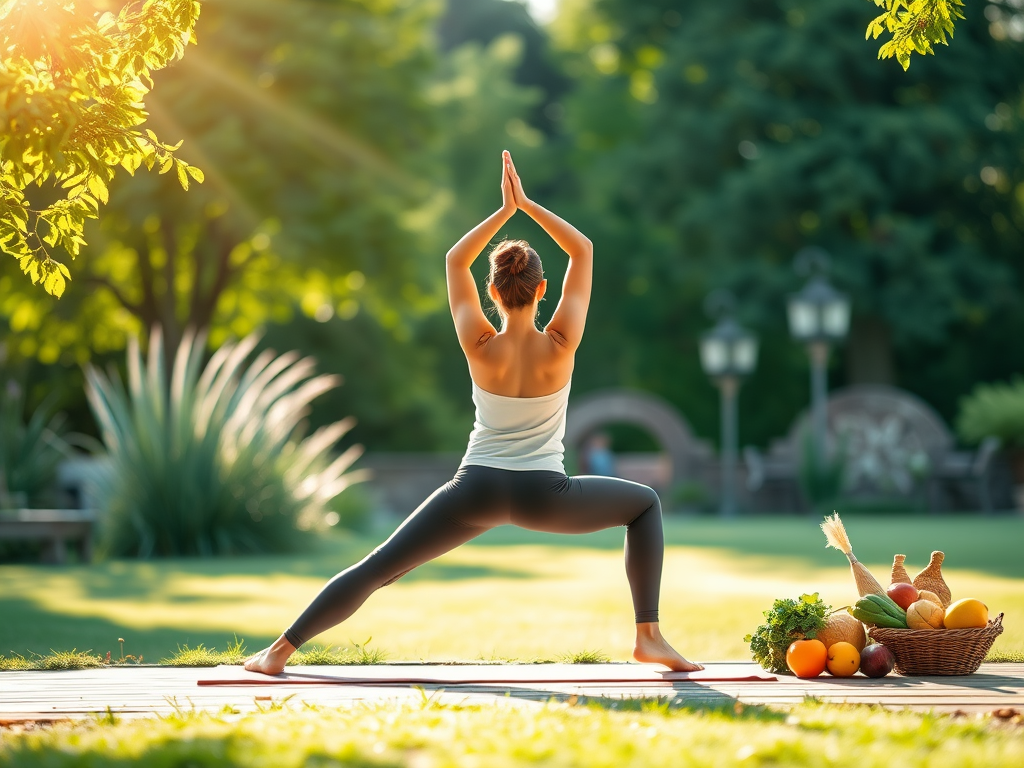
Instead of pushing through exhaustion, wellness experts now recommend daily gentle movement. Such movement releases tension and improves circulation. It does so without overwhelming the nervous system. The Times of India highlights that practices like stretching, walking, and slow yoga are gaining popularity. These practices support both physical and mental health.
Gentle movement can look like:
- A 15-minute walk in natural light
- Stretching your neck, hips, and back after waking
- Slow yoga flows focused on breath rather than performance
These movements help regulate stress hormones. They improve posture and create a sense of grounding. This is especially important in a fast, screen-heavy world.
The goal isn’t intensity.
The goal is consistency.
When movement feels safe and kind, the body stops resisting it.
2. Mindful Eating & Whole Foods
Nutrition trends are also moving away from extremes. Instead of obsessing over calories or cutting entire food groups, people are paying attention to how food makes them feel.
Wellness discussions across platforms like NDTV emphasize gut health, digestion, and internal nourishment as foundations for overall well-being. This is because digestion doesn’t just affect the stomach, it influences immunity, mood, energy levels, and even sleep.
Mindful eating in 2026 means:
- Choosing whole, minimally processed foods when possible
- Eating slowly and without distraction
- Noticing hunger and fullness cues
- Focusing on nourishment, not restriction
It also means letting go of food guilt. Wellness is not ruined by an indulgent meal or a craving. Balance is created over time, not in a single day.
When food becomes supportive instead of stressful, the body responds with more stable energy and emotional regulation.
3. Digital Detox Blocks
One of the most important wellness shifts of 2026 is how people relate to technology.
Constant notifications, endless scrolling, and information overload have been linked to rising anxiety, poor sleep, and reduced attention span. That’s why intentional digital detox blocks are becoming a core self-care practice. This is supported by research discussed in The Wall Street Journal.
Digital detox doesn’t mean abandoning technology entirely. It means using it on purpose.
Simple ways to start:
- No phone for the first 30 minutes after waking
- Screen-free meals
- Turning off notifications for non-essential apps
- A no-screens rule one hour before sleep
These small boundaries give the nervous system a chance to settle. Sleep improves. Focus sharpens. Mental noise quiets.
In a world that constantly demands attention, choosing moments of disconnection is an act of self-respect.
Wellness Tip of the Week
Replace one social-media scroll session with a short walk, gentle stretching, or a few slow breaths.
Even five minutes of intentional calm can lower stress hormones and improve mental clarity. These micro-moments of care accumulate, quietly but powerfully, over time.
Your brain doesn’t need more stimulation.
It needs space.
What Wellness Really Means in 2026
At its core, wellness this year is about listening.
Listening to:
- When your body feels tired
- When your mind needs quiet
- When your pace needs to slow
There is no universal routine that works for everyone. The most effective wellness plan is the one that adapts to your life, your season, and your energy.
You don’t need to overhaul your entire lifestyle in January.
You don’t need perfect discipline.
You don’t need to do everything at once.
You only need to choose habits that feel possible, and return to them with patience.
Final Thought
Make 2026 your wellness year not by demanding more from yourself, but by supporting yourself more consistently.
Wellness isn’t loud.
It’s not dramatic.
It’s not extreme.
It’s built quietly, one gentle habit, one mindful pause, one compassionate choice at a time.
 Maison Avyra