
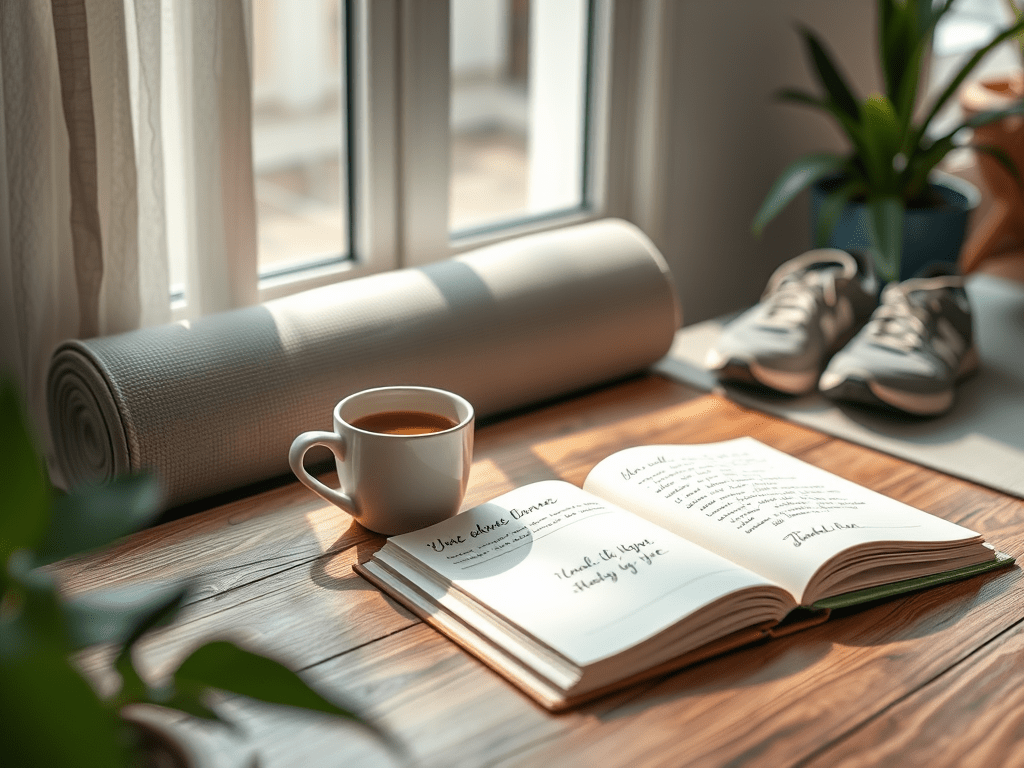
In the rush of everyday life, it’s easy to feel overwhelmed by self-care advice. Scroll through social media or browse wellness blogs and you’re instantly flooded with recommendations. You’ll find supplements you “must” take. Routines require hours of commitment. Lifestyle changes feel more like full-time jobs than acts of care. Somewhere along the way, self-improvement stopped feeling supportive and started feeling exhausting.
This is exactly why wellness stacking is gaining real traction. It offers a refreshing shift away from all-or-nothing thinking and toward something far more sustainable. Wellness stacking meets you where you already are. It builds gently from there without requiring a complete life overhaul. Insights shared by Healthline suggest this approach aligns better with how our brains form habits. This makes it one of the most realistic self-care strategies today.
What Is Wellness Stacking?
Wellness stacking is the practice of combining small, intentional habits into one seamless routine. Instead of juggling separate goals like “meditate daily,” “walk 10,000 steps,” and “drink more water,” you link habits together. This way, they flow naturally from one to the next.
Think of it like stacking bricks to build a strong structure. One brick on its own doesn’t look impressive, but over time, brick by brick, something solid takes shape. Wellness stacking works the same way. Each habit supports the next, reducing the mental effort required to start, which is often the biggest barrier to consistency.
For example:
- You already brush your teeth every morning.
- Right after brushing, you stretch for one minute.
- After stretching, you take three slow, intentional breaths.
None of these actions are difficult on their own. Together, they form a mini wellness ritual that becomes automatic rather than optional.
Why Traditional Self-Care Often Fails
Many wellness routines fail not because people lack motivation, but because they demand too much change at once. When self-care feels complicated, it triggers resistance. The brain sees it as another obligation instead of a source of relief.
Wellness stacking works because it removes decision fatigue. You’re no longer asking yourself, “When will I find time for this?” The habit already has a home inside something you’re doing anyway.
Instead of forcing yourself to add more to your day, you’re simply layering intention onto existing moments.
Why Wellness Stacking Works (According to Science)
Experts explain that associating new habits with existing ones helps your brain create stronger, lasting neural pathways. When a behavior is tied to a familiar cue, the brain doesn’t need to work as hard to remember it. For example, you could stretch right after brushing your teeth.
Over time, this pairing becomes automatic. The cue triggers the habit without conscious effort. This is why wellness stacking is especially effective for mental health practices. These practices often get skipped when energy or motivation is low.
Consistency doesn’t come from discipline alone. It comes from designing habits that fit naturally into your life.
The Emotional Side of Wellness Stacking
Beyond science, wellness stacking offers emotional relief. It shifts self-care away from guilt and toward kindness. You’re no longer failing if you don’t complete an hour-long routine. You’re succeeding simply by showing up in small ways.
This approach also helps rebuild trust with yourself. Every small habit you complete reinforces the message: I can take care of myself without burning out. That sense of reliability is deeply regulating for the nervous system.
How to Start Your Wellness Stack
The key to wellness stacking is starting small and specific. Big goals are inspiring, but tiny actions are what actually stick.
Here are simple ways to build your own stack:
Morning Fuel + Intention
After your first cup of coffee or tea, take one minute. Write one small goal or intention for the day. Not a to-do list, just a grounding focus. This helps anchor your nervous system before the day accelerates.
Movement + Breath
After a walk, whether it’s five minutes or thirty, pause and take three slow, mindful breaths. Let your body register that movement isn’t about punishment; it’s about presence.
Evening Wind-Down + Gratitude
Before bed, list three things you’re thankful for. They don’t need to be profound. Gratitude helps signal safety to the brain, making it easier to relax and sleep.
Each of these stacks takes less than two minutes. Together, they create a rhythm that supports both mental and physical well-being.
What Wellness Stacking Is Not
It’s important to clarify what wellness stacking isn’t:
- It’s not about optimizing every second of your day
- It’s not about productivity disguised as self-care
- It’s not about adding pressure to “do wellness perfectly”
Wellness stacking is about integration, not accumulation. If a stack feels heavy, it’s too much. The goal is ease.
Making It Sustainable
The most powerful wellness routines are the ones you forget you’re even doing, because they’ve become part of your identity. To make wellness stacking sustainable:
- Keep stacks short
- Attach them to habits that already exist
- Allow flexibility on hard days
If one day all you do is take one deep breath after brushing your teeth, that still counts. Consistency grows from compassion, not force.
The Bigger Picture
In a world that constantly demands more, wellness stacking quietly offers less, less pressure, less perfection, less burnout. It reminds us that caring for ourselves doesn’t require dramatic transformation. It requires attention, repetition, and kindness.
Wellness stacking isn’t about changing who you are. It’s about supporting who you already are, one small habit at a time.
Start tiny. Stay realistic. And let your routines build on themselves, naturally, gently, and sustainably.
 Maison Avyra