As we step into 2026, wellness and self-care are no longer buzzwords reserved for spa weekends or social media trends. They have evolved into intentional lifestyles. These lifestyles are shaped by science and technology. This is due to a deeper understanding of how our bodies and minds actually function. In today’s fast-paced world, marked by digital overload, global uncertainty, and rising burnout, self-care has become a form of resilience.
Today’s news showcases breakthroughs in digital health. There is also a renewed focus on real food, simple skincare, and experiential wellness. This reflects a clear message: well-being is becoming proactive, personalized, and holistic. Here’s what’s shaping healthy living in 2026, and how you can apply these trends to your own daily routine.
1. Digital Health Tools Are Changing the Game
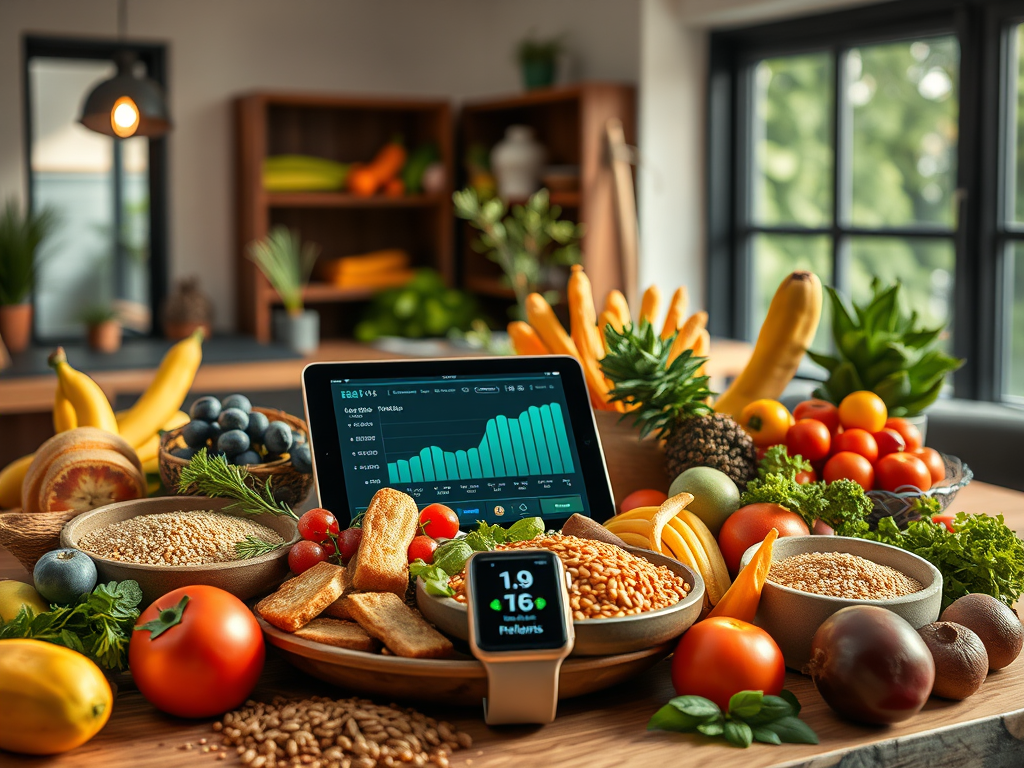
One of the most talked-about wellness developments this year is the rapid rise of AI-powered digital health tools. Just this week, OpenAI announced the launch of ChatGPT Health. It is a health-focused platform designed to help people securely connect medical records. It also connects wellness apps. According to reporting by Reuters, the platform allows users to better understand test results. It also helps them prepare for medical visits. Additionally, it enables them to track nutrition, exercise, and habits. All of these features come with strong privacy safeguards.
This signals a much larger shift. AI and connected health are no longer experimental technologies, they’re becoming everyday wellness companions. People now use devices like sleep trackers and heart-rate monitors. Personalized nutrition insights are also available. These tools help people see patterns in their health that were once invisible.
What makes this trend powerful is accessibility. You don’t need to be a medical expert to understand your body better. Digital tools are translating complex data into actionable guidance. They are empowering individuals to take ownership of their health. This level of empowerment was impossible a decade ago.
Self-Care Takeaway:
Use trusted digital health tools to track progress. Set realistic goals. Stay informed. Remember that technology should support wellness. It should not replace human connection or professional care.
2. Eat Real, Whole Food, Nutrition Matters More Than Ever
Nutrition has returned to the spotlight, not through fad diets, but through simplicity and science. Updated dietary guidance highlighted by The Guardian emphasizes what wellness experts have long advocated: eat real, minimally processed food. Vegetables, whole grains, fruits, healthy fats, and quality proteins are once again at the center of long-term health.
This shift reflects growing awareness that ultra-processed foods contribute to inflammation, fatigue, metabolic issues, and mood imbalance. In contrast, whole foods nourish the body at a cellular level, supporting immunity, digestion, brain health, and sustained energy.
What’s notable in 2026 is how nutrition is being reframed. It’s no longer about restriction or perfection, but about nourishment and sustainability. People are rediscovering traditional cuisines, home cooking, and mindful eating as forms of self-respect rather than discipline.
Self-care tip:
Start small. Replace one processed snack a day with fruit, nuts, or homemade options. Focus on progress, not perfection, consistency is more powerful than extremes.
3. Skincare Is Wellness, Not Just Vanity
In 2026, skincare has firmly positioned itself as a wellness practice, not a cosmetic indulgence. According to insights shared by Allure, the biggest skincare trends of the year are science-driven and simplicity-focused. Dermatologists are emphasizing proven ingredients such as retinol, vitamin C, ceramides, and peptides. They are prioritizing skin health and longevity over quick fixes.
Beyond physical benefits, skincare routines are increasingly recognized for their mental and emotional impact. The simple act of cleansing, moisturizing, and massaging the face can calm the nervous system. It can also reduce stress. Additionally, it creates a moment of presence in an otherwise busy day.
This reflects a broader cultural shift. People are choosing fewer products and better formulations. They prefer intentional rituals that support both confidence and calm.
Self-care ritual:
Turn your skincare routine into a mindful pause. Slow down, breathe deeply, and treat it as a daily act of care, not a chore.
4. Wellness Experiences Go Beyond the Gym
Another major trend shaping self-care in 2026 is the rise of experiential wellness. From cold-plunge gatherings to sound baths, breathwork circles, and AI-assisted beauty treatments, wellness is becoming social, immersive, and experiential. Reporting from Axios highlights how cities like Charlotte are embracing community-driven wellness spaces that blend recovery, novelty, and connection.
Experts interviewed by WTOP also note that people are moving toward proactive wellness planning. They are integrating mental health, physical recovery, and lifestyle design into everyday life. This approach is taken rather than waiting for burnout or illness.
This shift acknowledges an important truth: wellness thrives in community. Shared experiences motivate consistency, reduce isolation, and make self-care enjoyable rather than obligatory.
Self-care idea:
Once a month, try a new wellness experience. Attend a meditation class. Take a nature walk or enjoy spa therapy. Join a group movement session to keep your routine fresh and engaging.
Well-Being Isn’t One-Sized, It’s Everything You Do
True self-care extends far beyond pampering. According to guidance from the World Health Organization, self-care empowers individuals to actively manage health. It helps prevent disease. Self-care also maintains emotional and physical balance, both independently and with professional support.
In practical terms, this means wellness is shaped by daily choices, not occasional indulgences.
Daily Self-Care Essentials
- Mindfulness & Stress Management: Short breathing exercises, prayer, journaling, or quiet reflection can reset your nervous system.
- Nutrition First: Choose foods that genuinely nourish and energize you.
- Movement You Love: Walking, yoga, strength training, or stretching, enjoyment matters more than intensity.
- Rest & Recovery: Sleep is foundational. Treat it as non-negotiable.
- Connection & Community: Meaningful relationships are a powerful, and often overlooked, wellness tool.
Final Thought: Wellness Is Personal, And Evolving
The wellness trends of 2026 reveal a powerful shift: self-care is no longer about escape, but about alignment. Digital tools, real food, simplified skincare, and experiential wellness all point toward a more intentional way of living.
Wellness isn’t perfection. It’s about purposeful steps, taken daily, toward feeling stronger, calmer, and more connected in your mind, body, and environment. And as the world evolves, so will the ways we care for ourselves.
The most important trend of all? Listening to what your body truly needs, and honoring it.
 Maison Avyra