
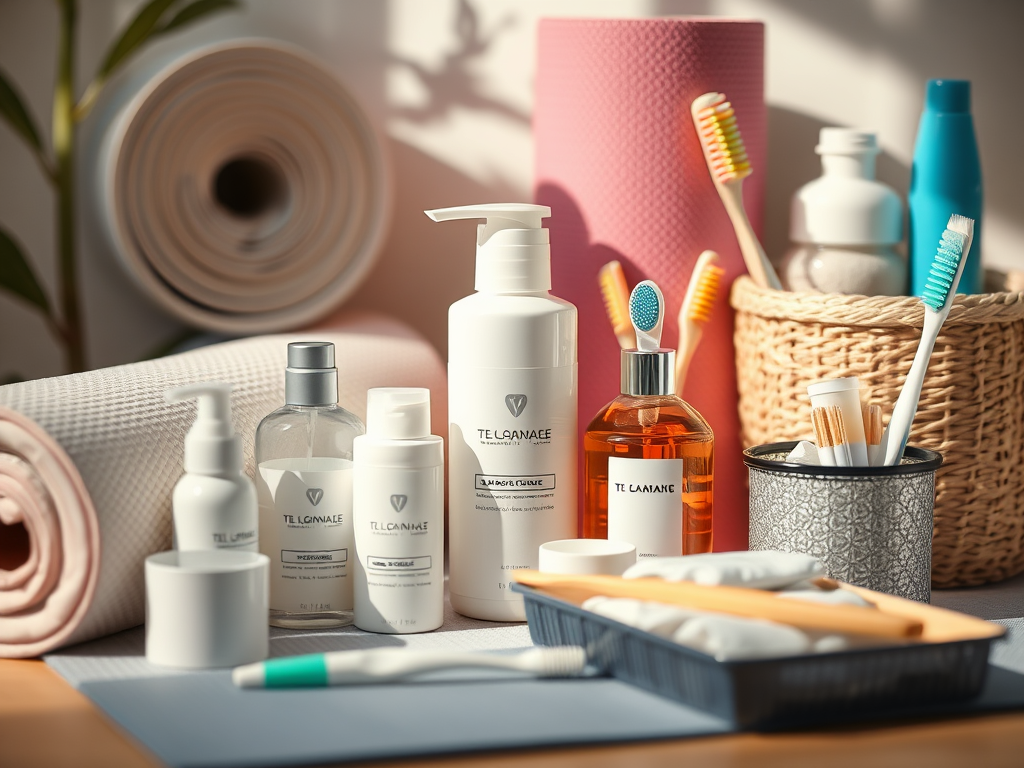
Plastic is everywhere in modern wellness and self-care. Plastic is in skincare bottles and toothbrushes. It can also be found in yoga mats, storage organizers, and wearable devices. Plastic plays a quiet but powerful role in how we care for our bodies and minds each day. While plastic is often discussed only in terms of environmental harm, today’s wellness conversation is more nuanced. It recognizes both the benefits plastic offers and the responsibility that comes with using it mindfully.
In an era focused on balance rather than extremes, the question is no longer “Should plastic exist in wellness?” but rather “How can we use plastic more consciously in our self-care routines?”
Plastic as a Foundation of Modern Self-Care
Plastic became essential to wellness because it solved real problems. It is lightweight, durable, hygienic, and affordable, qualities that made self-care products accessible to millions of people worldwide.
In daily wellness routines, plastic appears in:
- Skincare and haircare packaging
- Toothbrushes, razors, and grooming tools
- Refillable water bottles and meal prep containers
- Yoga mats, resistance bands, and fitness tools
- Storage organizers that reduce clutter and stress
Without plastic, many wellness tools would be heavier, breakable, expensive, or unsafe for everyday use. For many households, plastic has enabled consistent self-care, especially in busy or resource-limited environments.
Mental Wellness and the Role of Plastic
Wellness is not only physical, it is emotional and mental. Plastic contributes to mental wellbeing in subtle but meaningful ways.
Organized spaces reduce anxiety. Plastic storage bins, drawer organizers, and containers help create order in homes, bathrooms, and kitchens. A calm, functional environment supports mental clarity and reduces daily stress.
Plastic also makes wellness routines low-effort. Easy-to-use packaging, lightweight tools, and portable containers remove friction from self-care habits. When routines feel simple, people are more likely to maintain them, whether it’s skincare, hydration, or movement.
In this way, plastic supports one of today’s biggest wellness priorities: consistency over perfection.
Plastic in Skincare and Personal Care
The beauty and self-care industry relies heavily on plastic packaging, and for good reason. Plastic protects products from contamination, preserves active ingredients, and allows precise dispensing.
In wellness-focused skincare, plastic enables:
- Air-tight pumps that reduce waste
- Travel-friendly sizes that support routines on the go
- Hygienic application, especially for sensitive skin
However, modern self-care trends are pushing brands toward smarter plastic use:
- Refillable bottles
- Minimalist packaging
- Recycled and recyclable plastics
- Long-lasting containers designed for reuse
This shift reflects a broader wellness mindset: caring for the body while respecting the environment that supports it.
Home Wellness, Plastic, and Everyday Comfort
Home-based self-care is one of today’s strongest wellness trends, and plastic plays a central role in it. From food storage to cleaning tools to wellness devices, plastic supports daily rituals that make life feel manageable.
Examples include:
- Food containers that support mindful eating and meal planning
- Water bottles that encourage hydration
- Cleaning tools that maintain healthy living spaces
- Bathroom organizers that reduce chaos and save time
When used intentionally, plastic becomes a support system, not clutter. It allows people to focus on wellbeing instead of logistics.
Conscious Plastic: The New Wellness Standard
Wellness today is inseparable from awareness. Just as people read labels on food and skincare, they are also becoming more thoughtful about materials.
Conscious plastic use in self-care includes:
- Choosing reusable over disposable products
- Maintaining plastic items properly to extend lifespan
- Recycling correctly and consistently
- Supporting brands that invest in sustainable materials
This approach avoids guilt-driven extremes. Instead of eliminating plastic entirely, which is unrealistic for most people, it promotes balanced responsibility.
Wellness is about reducing stress, not adding it. Conscious plastic use aligns with this philosophy by encouraging progress, not perfection.
Plastic in Wellness Technology
Wearable wellness devices, fitness trackers, sleep monitors, smart rings, are largely made from plastic and polymer-based materials. These tools help people understand their bodies, manage stress, and improve sleep.
Plastic makes these devices:
- Comfortable for long-term wear
- Lightweight and skin-safe
- Durable for everyday life
In this context, plastic directly supports preventive wellness, helping people make informed decisions about rest, movement, and recovery.
The Emotional Shift: From “Plastic-Free” to “Plastic-Wise”
A growing trend in wellness culture is moving away from rigid rules. Just as extreme diets and over-exercising are being replaced by gentle routines, “plastic-free perfection” is giving way to plastic-wise living.
Plastic-wise self-care means:
- Being informed, not fearful
- Choosing better options when possible
- Accepting practical realities
- Prioritizing wellbeing without shame
This mindset supports emotional health by reducing guilt and decision fatigue, two silent stressors in modern life.
Final Thought: Wellness Is About Balance, Not Absolutes
Plastic is not the enemy of wellness. Misuse, overconsumption, and disposability are the real challenges. When chosen thoughtfully and used responsibly, plastic can support comfort, hygiene, accessibility, and emotional ease, key pillars of self-care.
True wellness lies in balance:
- Caring for your body
- Creating calm in your space
- Making sustainable choices within your capacity
Self-care is not about doing everything perfectly.
It’s about doing what supports you, consistently and consciously.
Plastic, when used with intention, can be part of that supportive, realistic, and compassionate wellness journey.
 Maison Avyra