
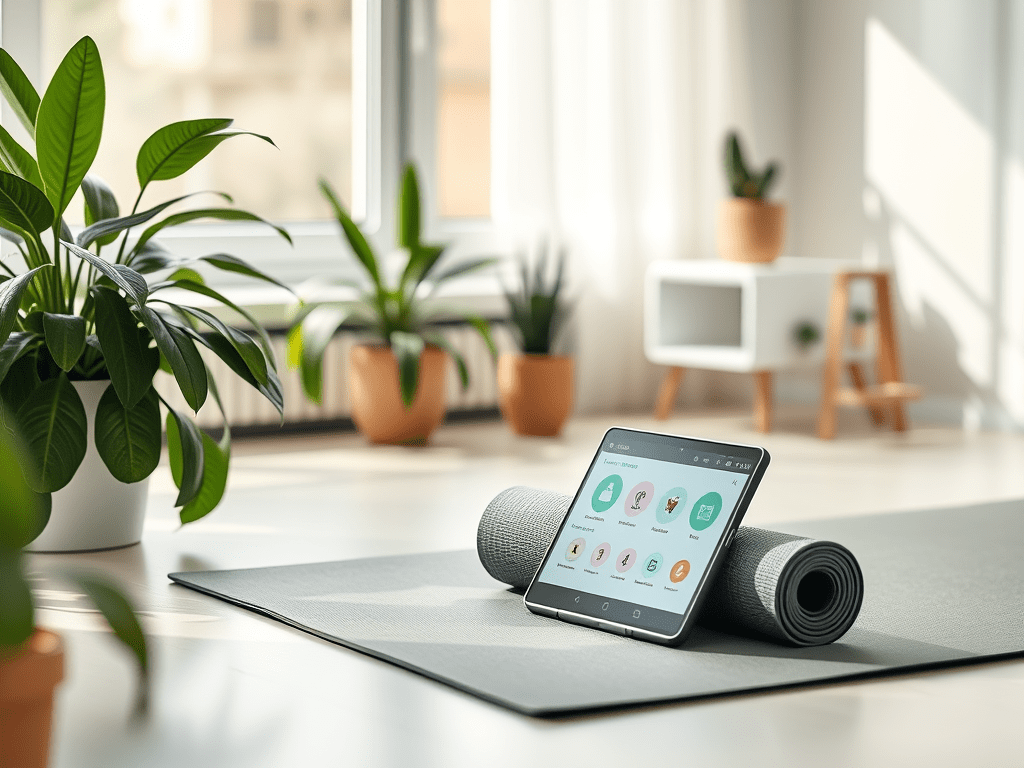
How Today’s Global Trends Are Redefining Self-Care in 2026
Wellness used to be something people treated as an extra activity. It was reserved for weekends, vacations, or the occasional yoga class. It was often associated with gym memberships, detox drinks, or short moments of relaxation after long weeks of work.
But the world has changed.
In 2026, wellness and self-care are no longer optional lifestyle choices. They are becoming essential life skills for navigating a fast-moving, technology-driven world. Across global news, research reports, and cultural trends, one clear message is emerging. The pace of modern life is accelerating. Our ability to maintain balance is becoming more important than ever.
Artificial intelligence is reshaping the workplace. Digital environments are becoming more intense. Global uncertainty, constant information, and rapid technological change are affecting how people think, work, and live. As a result, individuals around the world are realizing that protecting their mental and physical well-being is not a luxury. It is a necessity.
Today’s trending global topics reveal an important truth. The future of wellness is about adapting to the realities of modern life.
Below are some of the most important wellness lessons emerging from today’s news and global conversations.
The Mental Cost of the AI Era
Artificial intelligence has quickly become one of the biggest technological shifts of our time. Technology is helping people work faster. It also allows them to process information more efficiently than ever before. This is evident from automated tools and virtual assistants to AI-powered workflows.
However, this rapid transformation is also creating a new type of mental strain.
Researchers and workplace experts have begun describing a phenomenon sometimes referred to as “brain fry.” This term describes mental exhaustion. It occurs when people constantly interact with multiple AI systems, digital platforms, and streams of information throughout the day.
Modern workers often switch between:
AI assistants
automation dashboards
email and messaging platforms
video meetings
notifications and alerts
The brain, however, was never designed to process an endless flow of information without pause. Even though technology can speed up tasks, human attention and cognitive capacity still have limits.
When those limits are pushed too far, people may experience reduced focus. They might also feel mental fatigue and decision overload. Higher levels of stress can occur as well.
This is why a growing number of wellness experts emphasize the importance of digital boundaries. Protecting your attention is becoming just as important as managing your schedule.
Simple habits can make a difference. Set periods where notifications are turned off. Take regular screen breaks. Schedule focused work sessions without digital interruptions. These can help restore mental clarity.
In the AI era, one of the most important self-care practices may simply be protecting your ability to focus.
The Emotional Impact of the Digital World
Another major theme emerging from global research is the connection between online environments and emotional health.
Many studies have found that constant exposure to negative online content can increase feelings of anxiety, stress, and emotional exhaustion. Social media platforms, news feeds, and comment sections often prioritize dramatic or controversial content because it attracts more engagement.
As a result, people are frequently exposed to:
negative headlines
online arguments
toxic discussions
constant comparisons on social media
Over time, this digital environment can quietly influence mental well-being.
This has led to a growing awareness of something experts call digital emotional hygiene. People are now paying attention to their physical diet. Similarly, they are beginning to pay attention to their information diet as well.
Healthy digital habits may include curating social media feeds. It is important to limit exposure to toxic content. Follow creators who share educational or inspiring ideas. Also, create daily periods of time without screens.
Small adjustments in what we consume online can have a powerful impact on how we feel.
The Global Rediscovery of Rest
For years, productivity culture celebrated the idea of constantly working harder and pushing personal limits. Sleep was often sacrificed in pursuit of ambition and success.
Today, however, attitudes are beginning to shift.
One of the most interesting trends in the wellness industry is the rise of programs. These are designed specifically to reset the nervous system. Wellness retreats and hotels around the world are changing their focus. They are placing less emphasis on intense workouts. They aim more at helping guests recover from chronic stress and digital overstimulation.
These experiences often emphasize:
deep and consistent sleep
quiet, distraction-free environments
time spent in nature
slow, mindful activities
guided breathing or relaxation practices
This shift reflects a growing understanding of how stress affects the body and mind. When people are constantly exposed to pressure, information, and digital noise, the nervous system stays alert. This heightened state can last for long periods of time.
Rest allows the body to reset.
Many experts now describe sleep, relaxation, and recovery as essential tools for maintaining long-term health and productivity. In other words, rest is not wasted time, it is biological maintenance that keeps the mind and body functioning properly.
Wellness Through Better Living Environments
Another emerging idea in the wellness world is the concept of “invisible wellness.”
Designers and architects are increasingly focusing on how living spaces can support well-being. They are looking beyond obvious health gadgets or routines.
Homes and workspaces are being designed with features that quietly improve health. These features include lighting that supports natural sleep cycles, improved air circulation, calming colors, and reduced noise levels.
These subtle changes can significantly influence mood, focus, and energy throughout the day.
For example, natural light helps regulate the body’s circadian rhythm, which controls sleep and wake cycles. Plants and natural materials can create calming environments that reduce stress. Even small adjustments can make a difference. Reducing clutter or creating a quiet corner for relaxation can help people feel more balanced and focused.
The idea behind invisible wellness is simple. The spaces where we live and work should support our well-being. They should not require constant effort.
New Forms of Mindfulness
Mindfulness has long been associated with meditation, breathing exercises, and moments of quiet reflection. In recent years, however, people around the world have started exploring new ways. Sometimes these ways are surprising in helping them gain perspective on life.
In Japan, for instance, an unusual practice known as “coffin meditation” has gained attention. Participants lie in coffins while reflecting on their lives and contemplating mortality. The concept may sound strange at first. However, the goal is deeply philosophical. By confronting the reality of life’s limits, people often gain a stronger appreciation for the present moment.
This highlights an important truth about modern mindfulness.
Mindfulness is not only about relaxation. It is about perspective.
Practices such as journaling, gratitude lists, quiet walks, and reflective thinking can be very beneficial. They help individuals slow down. These practices allow one to reconnect with what truly matters. When people pause long enough to reflect, they often gain clarity about priorities, relationships, and personal goals.
Sometimes the most powerful form of self-care is simply creating space to think.
The Future of Self-Care
The biggest lesson from today’s global trends is clear: wellness is evolving alongside the modern world.
Self-care is no longer just about occasional relaxation. It is becoming a structured approach to maintaining balance in an increasingly complex environment.
As technology advances and information continues to grow, people are learning to prioritize habits that support long-term well-being. These habits include setting digital boundaries, protecting mental focus, prioritizing rest, creating healthier living environments, and practicing mindfulness.
The goal is not perfection.
The goal is sustainable balance.
A Final Reflection
The world will likely continue to move faster in the years ahead. Technology will evolve, workplaces will change, and new challenges will emerge.
But one principle will remain constant.
Everything we build, our careers, relationships, creativity, and ambitions, depends on the health of our minds and bodies.
Taking care of yourself is not a distraction from success. It is the foundation that makes success possible.
Protect your attention.
Rest when your body needs it.
Create environments that support calm and focus.
And make time for reflection in a noisy world.
Because the future does not belong only to those who move the fastest.
It belongs to those who learn how to move forward without losing their balance.
 Maison Avyra