
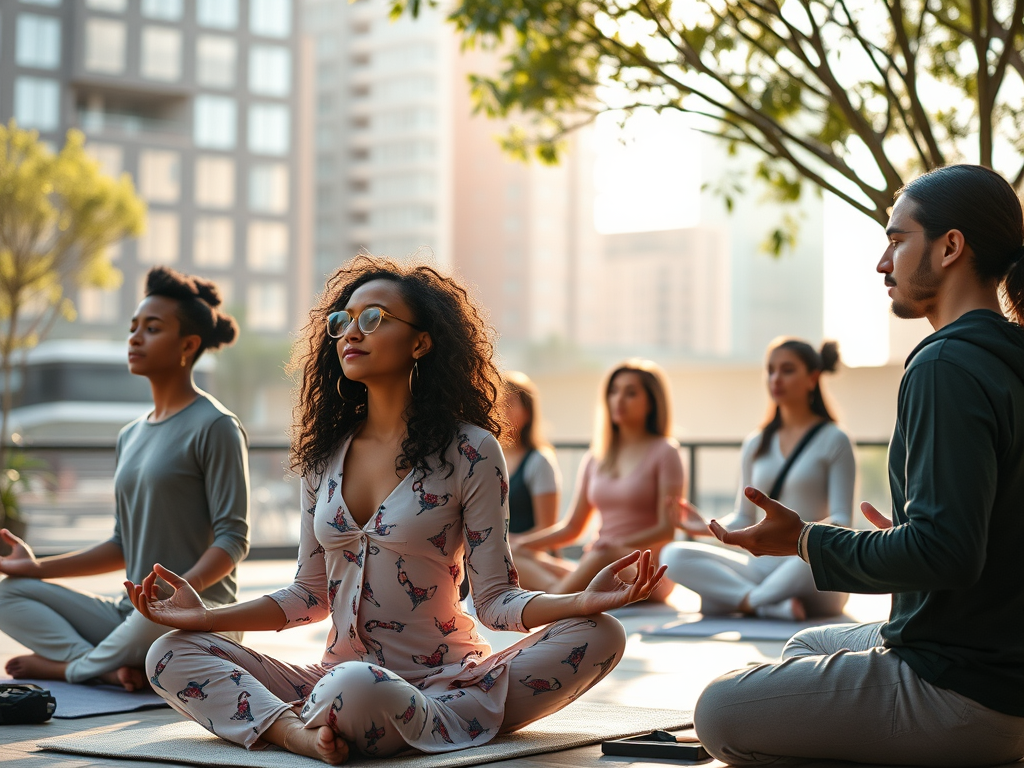
In recent years, the concept of wellness has evolved dramatically. Going to the gym, eating healthy meals, or practicing yoga was once seen as a personal lifestyle choice. Now, they have become necessary life skills. In 2026, wellness and self-care are no longer luxuries reserved for free weekends or spa retreats. They have become essential strategies for living in a fast-moving, constantly changing world.
Every day, global headlines remind us that the world is transforming at an incredible pace. Artificial intelligence is reshaping industries and job markets. Climate change continues to influence how societies think about sustainability. Economic shifts, digital overload, and rapid technological innovation are altering how people work, communicate, and live.
While these changes can feel overwhelming, they are also encouraging people to rethink how they care for themselves. Instead of reacting to stress after it appears, individuals and communities are beginning to prioritize proactive wellness. Around the world, people are discovering that maintaining physical health is not just beneficial. Achieving emotional balance and mental clarity is also necessary for navigating modern life successfully.
Wellness today is not about escaping reality or disconnecting from the world completely. Instead, it is about learning how to remain balanced, calm, and focused within an environment that is constantly evolving.
Mental Wellness in the Age of Artificial Intelligence
One of the most influential global trends shaping wellness today is the rapid development of artificial intelligence. AI is changing the way businesses operate, how employees perform tasks, and how organizations make decisions. Automation and intelligent systems are helping people work faster and more efficiently than ever before.
However, alongside these benefits come new psychological challenges. Technology is becoming more integrated into daily work routines. Many professionals feel increased pressure to quickly adapt to new systems. The demand to continuously learn new tools and skills can create stress. It can also cause anxiety for individuals who feel they must constantly keep up with technological change.
Another challenge is information overload. AI-powered tools generate vast amounts of data and insights. These tools often overwhelm workers with a constant stream of updates, messages, and digital notifications. The result is a growing awareness that mental health must be protected intentionally.
Experts in psychology and workplace wellness now emphasize practices that help people maintain mental clarity in this fast-paced environment. Mindfulness and meditation are becoming common daily routines, helping individuals stay present and reduce stress. Scheduled breaks from screens and digital tasks are also encouraged to prevent burnout.
Emotional intelligence has also become an important skill in the AI era. As machines take over repetitive tasks, human abilities such as empathy, creativity, and emotional understanding are becoming even more valuable. Learning how to manage emotions, communicate effectively, and maintain healthy relationships is now considered a key component of modern wellness.
Self-care in the age of artificial intelligence is ultimately about protecting attention and energy. Individuals can thrive in a digital world when they manage stress effectively. They also benefit from creating healthy boundaries with technology.
Climate Awareness and the Rise of Eco-Wellness
Another major influence on modern wellness is the growing global conversation around climate change and environmental responsibility. News stories about environmental challenges are encouraging people to think more deeply about their relationship with nature and the planet.
Out of this awareness has emerged a new lifestyle approach often called eco-wellness. This concept connects environmental sustainability with personal health and well-being. Many individuals are discovering that caring for the environment can also improve their physical and mental health.
Spending time outdoors has become an increasingly popular wellness practice. Activities such as hiking, gardening, and nature walks provide opportunities to reconnect with the natural world while reducing stress. Studies have shown that time spent in nature can improve mood, boost creativity, and enhance overall mental clarity.
Eco-wellness also encourages people to think about their consumption habits. Choosing sustainable products is important. Reducing waste is essential. Supporting environmentally responsible businesses can create a sense of purpose and contribute to a larger global effort.
Food choices are also shifting as part of this movement. Many people are exploring plant-based diets or reducing processed foods in favor of whole, natural ingredients. These dietary changes can benefit both personal health and environmental sustainability.
In many ways, eco-wellness represents a return to balance. When personal habits are aligned with environmental responsibility, individuals feel a deeper connection. This alignment brings more meaning to their daily lives.
Digital Detox and the Need for Balance
Modern life is increasingly dominated by screens. Smartphones, computers, tablets, and digital devices are central to how people work, communicate, and relax. While technology offers incredible convenience and connectivity, it also creates new challenges for mental health.
Constant notifications, social media updates, and endless streams of information can make it difficult for the brain to rest. Many people find themselves checking devices repeatedly throughout the day, often without realizing how much mental energy this habit consumes.
As a result, digital fatigue has become one of the most widely discussed wellness issues in the modern world. People are beginning to recognize the importance of creating boundaries between their digital and offline lives.
One popular strategy is the concept of screen-free mornings. When individuals start the day without immediately checking emails or social media, they create a calmer mindset. This approach also fosters a more focused mindset for the hours ahead.
Limiting social media usage is another effective approach. Instead of scrolling endlessly, many people now set specific time limits for digital platforms. This helps reduce comparison, distraction, and information overload.
Notification management is also becoming an important practice. Turning off unnecessary alerts allows individuals to regain control over their attention and concentrate on meaningful tasks.
At the same time, people are rediscovering the value of offline hobbies. Reading books, journaling thoughts, walking outdoors, or engaging in creative activities provide a refreshing break from constant digital stimulation.
A digital detox does not require rejecting technology entirely. Instead, it involves learning how to use digital tools intentionally and mindfully. When people control their technology instead of allowing it to control them, they experience greater mental clarity and emotional balance.
Physical Wellness Through Simplicity
Another important shift in modern wellness is the movement toward simpler and more sustainable approaches to physical health. In the past, fitness culture often promoted intense workout routines, strict diets, and expensive training programs. While these methods may work for some individuals, they can be difficult to maintain over the long term.
Today, wellness experts are encouraging a more balanced and realistic approach to physical health. Rather than focusing on extreme goals, the emphasis is on consistent daily habits that support long-term well-being.
Walking, for example, has become one of the most recommended forms of exercise. It is accessible to almost everyone and provides numerous health benefits, including improved cardiovascular health, reduced stress, and better mood.
Stretching and mobility exercises are also gaining popularity. These practices help maintain flexibility, prevent injury, and support healthy movement throughout daily activities.
Sleep is another crucial element of physical wellness. As awareness of sleep science grows, more people are prioritizing consistent sleep schedules and healthier nighttime routines. Quality sleep supports brain function, immune health, and emotional stability.
Hydration and balanced nutrition are equally important. Drinking enough water and choosing whole, nutrient-rich foods can significantly improve energy levels and overall health.
The key message behind this modern fitness philosophy is sustainability. Small habits practiced consistently over time are far more effective than short bursts of extreme effort.
The Power of Community and Human Connection
Despite the rise of digital communication, one of the greatest challenges of modern life is loneliness. Many people spend long hours working online, interacting through screens rather than face-to-face conversations.
Global discussions about mental health have highlighted the importance of social connection for emotional well-being. Humans are naturally social beings, and meaningful relationships play a vital role in maintaining mental and emotional health.
In response, many communities are creating opportunities for people to connect through shared wellness activities. Local fitness groups, yoga classes, and meditation sessions allow individuals to improve their health while building friendships.
Community volunteering is another powerful way to strengthen social bonds. Helping others not only benefits society but also creates a strong sense of purpose and fulfillment for individuals.
Group activities such as walking clubs, sports teams, or community gardening projects encourage collaboration and shared experiences. These interactions remind people that they are part of something larger than themselves.
Wellness, therefore, is not just an individual journey. It is also a collective experience shaped by relationships, support systems, and community engagement.
Looking Ahead: The Future of Self-Care
The lessons emerging from today’s global conversations about wellness are clear. Self-care is no longer limited to personal routines or occasional relaxation. It is becoming a long-term strategy for maintaining balance in an unpredictable world.
The future of wellness will likely focus on building resilience. This means the ability to adapt and remain strong in the face of change. Emotional resilience training, digital balance practices, sustainable living habits, and lifelong learning will all play important roles.
As societies continue to evolve, people will increasingly recognize a crucial fact. Caring for their minds, bodies, and communities is essential for long-term success and happiness.
Final Reflection
The world is changing faster than ever before. Yet within that rapid transformation lies a powerful opportunity: the chance to redefine what it truly means to live well.
True wellness in 2026 is about caring for your mind. It involves protecting your energy. Nurturing your body is another key aspect. Building meaningful connections with others is essential. It is about living consciously and intentionally, even in the midst of complexity.
When individuals embrace balance, awareness, and compassion in their daily lives, self-care becomes more than a routine.
It becomes a way of living.
 Maison Avyra