
A World That Demands Better Self-Care
In 2026, the world is changing faster than ever before. Every day, global headlines highlight technological breakthroughs, evolving workplaces, economic uncertainty, and growing environmental concerns. Artificial intelligence is transforming industries. Digital platforms are reshaping communication. People everywhere are navigating an increasingly connected yet demanding lifestyle.
Amid these rapid changes, one important realization is becoming clearer across societies. Wellness and self-care are no longer optional lifestyle choices. They are essential tools for maintaining balance, productivity, and mental clarity in a fast-moving world.
For many years, wellness was often associated with luxury experiences, spa visits, fitness retreats, or expensive health products. Today, however, the concept has evolved. Modern wellness emphasizes building resilience. It nurtures mental health. Additionally, it develops everyday habits. These habits help individuals stay healthy and grounded despite external pressures.
Global conversations about mental health, technology use, lifestyle habits, and environmental awareness are occurring worldwide. They are shaping a new understanding of what it means to live well. Self-care in 2026 is no longer about temporary escapes from stress. Instead, it is about creating sustainable practices that support both personal well-being and long-term life satisfaction.
The lessons emerging from today’s global trends reveal that wellness is becoming a fundamental life skill.
The Rising Importance of Emotional and Mental Well-Being
One of the most significant shifts seen across global discussions is the increasing focus on mental health and emotional resilience. News reports, workplace policies, and public conversations now emphasize the importance of psychological well-being.
Modern lifestyles often involve long working hours, constant connectivity, and high expectations for productivity. As a result, stress, anxiety, and burnout have become common experiences for many individuals. Governments, organizations, and health experts are acknowledging that mental health deserves the same attention as physical health.
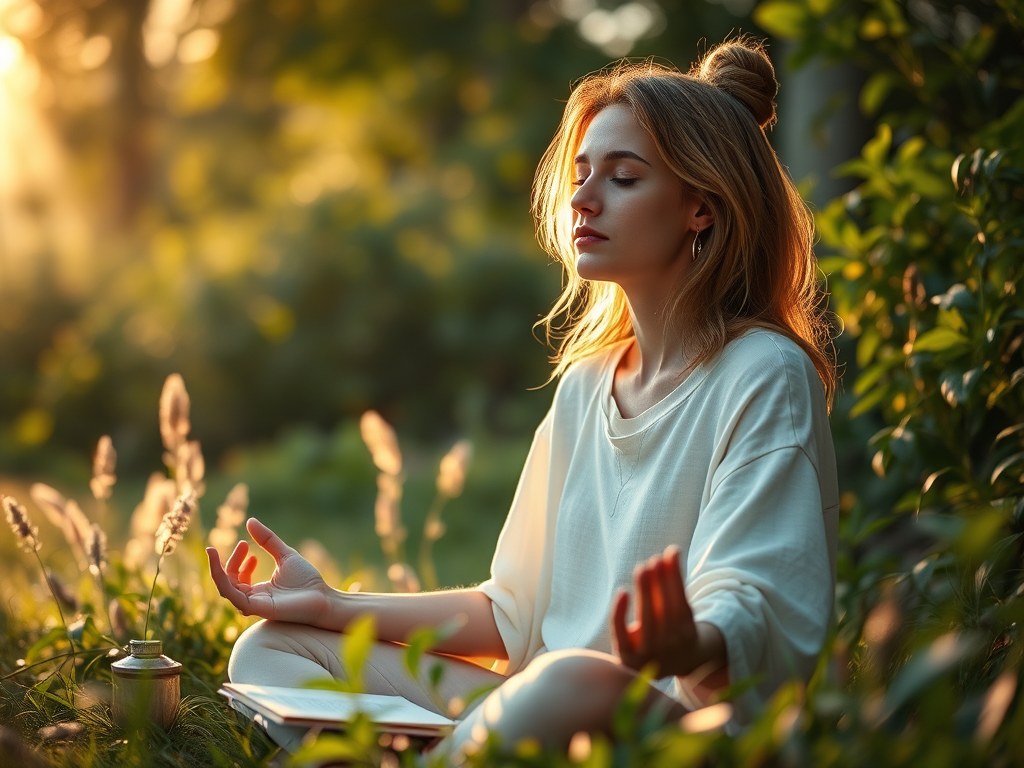
People are increasingly turning to practical tools that support emotional balance. Practices such as mindfulness meditation, journaling, breathing exercises, and therapy are gaining popularity worldwide. These activities help individuals understand their emotions, manage stress more effectively, and maintain mental clarity in challenging situations.
The growing acceptance of mental health conversations has also helped reduce stigma around seeking support. More people are now comfortable discussing stress, burnout, or emotional struggles with professionals or trusted communities.
In the modern world, protecting mental space has become a powerful form of self-care.
Managing Digital Life in an Always-Connected World
Technology has become deeply integrated into everyday life. Smartphones, artificial intelligence tools, social media platforms, and remote work systems allow people to stay connected at all times. While these technologies bring convenience and innovation, they also introduce new challenges.
One of the most widely discussed issues today is digital overload. Many individuals spend several hours each day interacting with screens, whether for work, communication, or entertainment. Continuous notifications, endless information streams, and social media comparisons can contribute to fatigue, distraction, and reduced focus.
As awareness of digital fatigue grows, a new wellness movement is emerging: intentional digital balance.
People are learning to manage their technology more thoughtfully. Some individuals schedule device-free periods during the day, particularly before bedtime, to improve sleep quality. Others dedicate time for offline activities such as reading, outdoor walks, or face-to-face conversations with family and friends.
Creating boundaries with technology helps individuals reclaim attention. It improves concentration. This also allows them to maintain healthier relationships with both digital tools and real-world experiences.
In the future, the ability to balance technology with mindful living may become one of the most important wellness skills.
A Shift Toward Sustainable and Everyday Fitness
Another notable change in modern wellness culture involves how people approach physical activity. Traditional fitness trends often emphasized intense workouts, strict routines, and extreme challenges. While these approaches may deliver short-term results, they can be difficult to maintain over time.
In contrast, many health experts and fitness communities are now promoting sustainable movement habits.
Instead of pursuing perfection or intense transformation goals, people are focusing on activities they can consistently maintain throughout their lives. Walking, cycling, yoga, stretching routines, and simple strength exercises performed at home are becoming increasingly popular.
These activities support cardiovascular health, improve mobility, and help reduce stress without placing excessive pressure on the body. Consistency has become more important than intensity.
This shift reflects a broader understanding of wellness. Physical activity should enhance daily life. It should not feel like a demanding obligation. By integrating movement into regular routines, individuals can maintain long-term health while also enjoying the process.
Reconnecting With Nature for Better Well-Being
Environmental awareness and climate discussions have also influenced modern wellness practices. Many people are rediscovering the profound impact that natural environments can have on mental and emotional health.
Scientific research continues to show that spending time outdoors can reduce stress levels, improve mood, and increase concentration. Even simple activities like walking in a park can improve overall well-being. Gardening or sitting near natural landscapes also contribute to this improvement.
As a result, nature-based self-care practices are becoming more common. Outdoor exercise, hiking, and eco-friendly living habits are gaining popularity among individuals who want to reconnect with the natural world.
Nature offers something that modern digital environments often lack: calmness and simplicity. Stepping outside allows people to slow down, breathe deeply, and reconnect with the present moment.
In an increasingly complex world, nature provides a powerful reminder that wellness can sometimes begin with the simplest actions.
The Return to Simple and Balanced Nutrition
Nutrition is another area where modern wellness trends are shifting toward simplicity. In previous years, many diet trends focused on strict rules, complicated meal plans, or extreme restrictions.
Today, however, more people are recognizing the value of balanced, natural eating habits.
Health discussions increasingly emphasize whole foods, homemade meals, and mindful eating practices. Fresh vegetables, fruits, whole grains, and balanced portions are becoming central to everyday nutrition.
Preparing meals at home improves dietary quality. It also encourages people to become more aware of what they consume. Hydration, portion awareness, and consistent eating schedules contribute to better energy levels and long-term health.
Individuals are moving away from rigid diet trends. They are learning to view nutrition as a sustainable lifestyle practice. This approach supports both physical and mental well-being.
The Power of Small Daily Wellness Habits
Perhaps the most important insight emerging from global wellness discussions is that self-care does not require dramatic lifestyle changes. Instead, long-term well-being often comes from small, consistent habits practiced every day.
Simple routines can create meaningful improvements in health over time. Start your morning with intention and take short breaks during work. Move your body regularly and prioritize quality sleep.
Spending time with supportive friends and family also plays a critical role in emotional wellness. Human connection provides encouragement, perspective, and a sense of belonging that strengthens resilience.
Self-care, therefore, is not about isolating oneself or avoiding responsibilities. It is about maintaining the energy and balance necessary to face life’s challenges with clarity and confidence.
Building a Healthier Future Through Self-Care
The modern world presents both incredible opportunities and complex challenges. Technological innovation, global connectivity, and rapid societal change continue to shape how people live and work.
Amid these transformations, wellness and self-care are becoming essential foundations for navigating the future.
Individuals can create lifestyles that support both productivity and personal fulfillment. They can do this by prioritizing mental health, managing digital habits, and maintaining consistent physical activity. Reconnecting with nature and embracing balanced nutrition also play crucial roles.
Ultimately, wellness in 2026 is not about escaping the demands of modern life. Instead, it is about developing the resilience, awareness, and habits needed to thrive within it.
Global conversations continue to evolve. One message remains clear. The future belongs to those who care for their minds, bodies, and energy.
We live in a rapidly changing world. In this context, self-care may be the most powerful investment we can make. It benefits both ourselves and the lives we hope to build.
 Maison Avyra