In 2026, wellness has evolved from a lifestyle trend into a fundamental necessity. The world is changing faster than ever before, driven by technological innovation, economic shifts, and global uncertainties. Artificial intelligence is redefining careers. Mental health challenges and digital overload are increasing. Modern life is intense, fast, and often overwhelming.
Amid all this, one truth stands out clearly: wellness is no longer optional, it is essential for survival and success.
This transformation is not just personal; it is global. News across industries consistently highlights how stress, burnout, and imbalance are becoming widespread issues. At the same time, it also shows how individuals and organizations are prioritizing well-being like never before.
Mental Wellness: The Foundation of a Strong Life
Mental health has become one of the most important conversations worldwide. People are increasingly recognizing that success without emotional stability is unsustainable.
In today’s high-pressure environment, constant connectivity and performance expectations are leading to burnout, anxiety, and emotional fatigue. As a result, mental well-being is no longer seen as secondary, it is now the foundation of a fulfilling life.
Practices like mindfulness, journaling, and therapy are becoming part of daily routines rather than occasional solutions. Even workplaces are adapting, offering mental health support and encouraging healthier work-life balance.
The biggest mindset shift?
Rest is no longer seen as weakness, it is recognized as strength.
The Digital Overload Problem: Reclaiming Your Attention
Technology has brought incredible convenience, but it has also created a new challenge: digital exhaustion.
People spend a significant portion of their day on screens, scrolling through social media, consuming content, and constantly staying connected. While this keeps us informed, it also drains mental energy, reduces focus, and disrupts sleep patterns.
As a response, digital detox is becoming a key aspect of self-care. More individuals are setting boundaries around their screen time. They are choosing to disconnect intentionally. They are also becoming more mindful of what they consume online.
Simple habits like avoiding screens before bedtime can be effective. Limiting social media usage is beneficial. Taking regular breaks is also proving to be a powerful tool for restoring mental clarity.
In a world competing for your attention, protecting your focus is one of the most valuable forms of self-care.
Reconnecting with Nature: A Natural Healing Tool
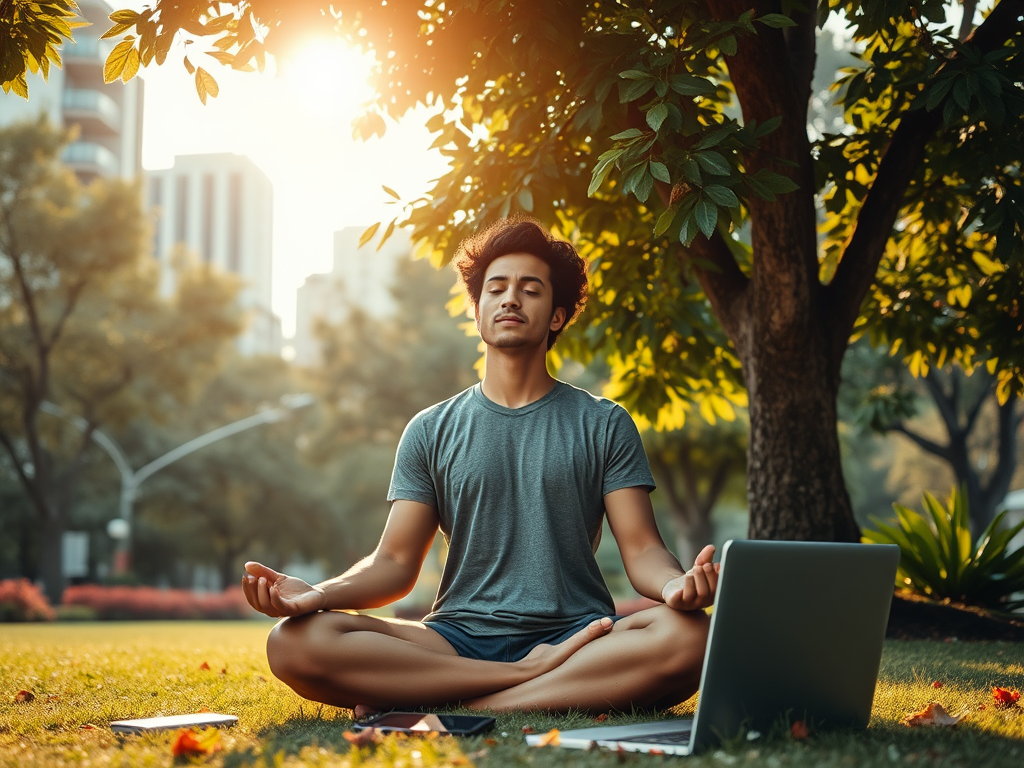
As urban lifestyles become more intense, people are rediscovering something simple yet powerful, nature.
Spending time outdoors is no longer just a leisure activity; it is being recognized as a therapeutic necessity. Walking in a park is soothing. Gardening calms the mind. Simply sitting in fresh air relaxes the body. Nature has a calming effect on the mind and body.
This shift is also connected to growing awareness about environmental issues. As people become more conscious of climate change and sustainability, they are adopting eco-friendly habits that also improve their well-being.
Even small actions can significantly reduce stress. Keeping plants at home can improve mood. Taking a daily walk outside also contributes to better emotional well-being.
Nature reminds us to slow down, breathe, and reconnect, with both the world and ourselves.
Redefining Fitness: Consistency Over Intensity
Fitness trends in 2026 are moving away from extreme routines and unrealistic expectations. The focus is shifting toward sustainable, enjoyable, and consistent movement.
Instead of intense workouts that are hard to maintain, people are choosing simpler forms of exercise. These include walking, yoga, stretching, and short home workouts.
This change reflects a deeper understanding:
Health is not built in a day, it is built through daily habits.
The goal is no longer perfection but consistency. Moving your body regularly, even in small ways, is more beneficial than pushing yourself to extremes and burning out.
This approach makes fitness accessible to everyone, regardless of age, lifestyle, or experience level.
Food as Fuel and Medicine
Another major shift in wellness is how people view food. It is no longer just about taste or convenience, it is about nourishment and long-term health.
There is a growing preference for homemade meals, natural ingredients, and balanced diets. People are becoming more aware of how food affects their energy levels, mood, and overall well-being.
Plant-based diets, anti-inflammatory foods, and traditional eating habits are gaining popularity. Instead of following strict or restrictive diets, individuals are focusing on sustainable and mindful eating.
The key idea is simple:
What you eat directly shapes how you feel.
Choosing wholesome, nutritious food is one of the most powerful ways to take care of your body.
The Power of Sleep: The Most Underrated Habit
Sleep is finally getting the attention it deserves.
For years, lack of sleep was normalized in busy lifestyles. However, research and global awareness have made it clear that sleep deprivation has serious effects on mental and physical health.
Poor sleep impacts concentration, mood, immunity, and productivity. In response, people are now prioritizing better sleep habits as part of their wellness routines.
This includes maintaining consistent sleep schedules, reducing screen exposure before bed, and creating a calming nighttime environment.
Quality sleep is no longer a luxury, it is a necessity for functioning at your best.
The Rise of Slow Living: Choosing What Truly Matters
In a fast-paced world driven by constant updates and competition, a new mindset is emerging, slow living.
Instead of trying to do everything, people are learning to focus on what truly matters. This means prioritizing meaningful work, building genuine relationships, and creating time for self-reflection.
The idea is not to avoid ambition but to align it with well-being.
“Hustle culture” is gradually being replaced by a more balanced approach to life. People are realizing that success without peace is not sustainable.
Slowing down allows you to be more present, make better decisions, and live with greater clarity and purpose.
Final Reflection: Wellness as a Daily Practice
The biggest lesson from today’s global trends is clear:
Your well-being is your greatest asset.
In a constantly changing world, external stability is not guaranteed. But internal stability, your mental strength, physical health, and emotional balance, can be built and protected.
Self-care is no longer about occasional indulgence. It is about daily habits that support your overall well-being.
It’s the small, consistent actions, getting enough rest, eating well, moving your body, and taking breaks, that create lasting impact.
A Simple Wellness Challenge for You
You don’t need to change everything at once. Start small.
- Take a short walk every day
- Drink enough water
- Reduce screen time before bed
- Practice gratitude, even for one minute
These simple steps can create powerful changes over time.
Because in 2026, wellness is not extra.
It is everything.
 Maison Avyra