
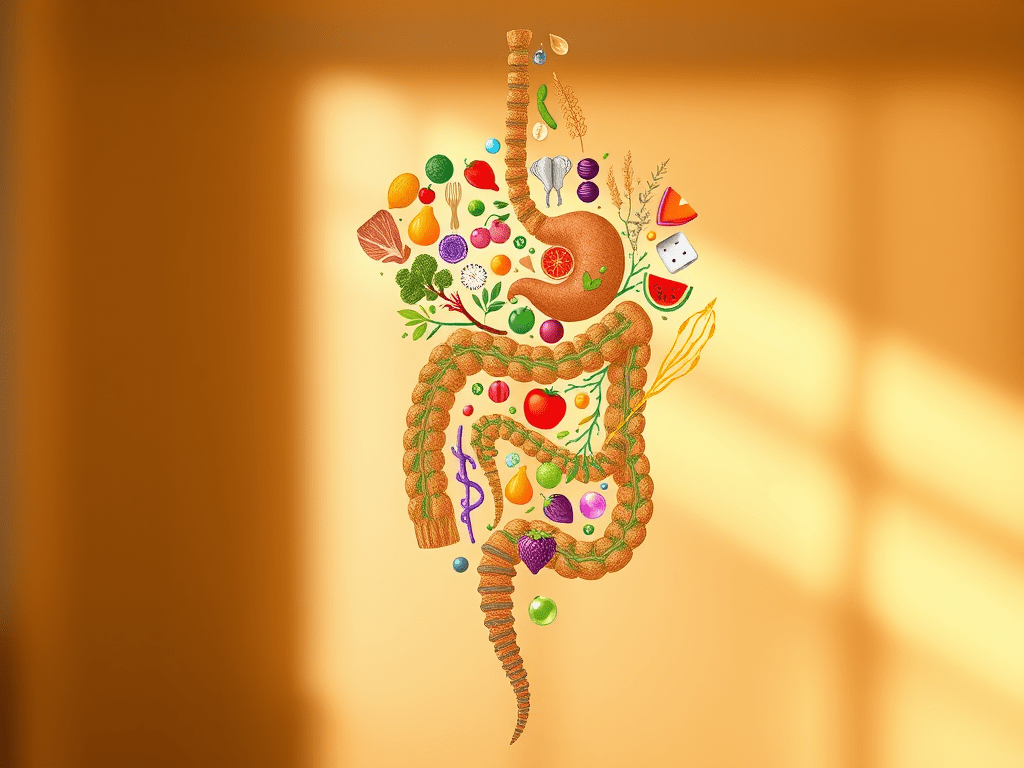
In 2026, self-care is no longer limited to spa days, meditation apps, or skincare rituals. While those practices still matter, wellness has evolved into something deeper and more foundational. Today, true self-care starts inside the body. There is growing attention on one powerful system. This system quietly influences nearly every aspect of health: the gut.
Health experts, nutritionists, and doctors are increasingly highlighting gut health as the cornerstone of modern wellness. The gut influences digestion and immunity. It also plays a crucial role in mental clarity, emotional balance, and even skin health. It has a far more influential role than most people ever realized. This shift isn’t about chasing trends, it’s about listening to science, biology, and the body’s natural rhythms.
Recent wellness coverage from The Economic Times reflects this growing awareness. It spotlights doctors who advocate for simple, sustainable daily habits. They prefer these over restrictive diets or extreme detoxes. One recurring message stands out clearly: when you support your gut, everything else benefits.
The Gut: More Than Just Digestion
For decades, the gut was viewed as a purely mechanical system, food goes in, nutrients are absorbed, waste goes out. But science now tells a much richer story.
Your gut is home to trillions of microorganisms, collectively known as the gut microbiome. These bacteria, fungi, and microbes are not passive passengers. They actively communicate with your brain. They regulate immune responses. They influence hormone production. Additionally, they affect how you experience stress and emotions.
This is why people with poor gut health often report symptoms far beyond digestive discomfort:
- Chronic fatigue
- Brain fog
- Anxiety or low mood
- Frequent illness
- Skin breakouts or inflammation
In other words, when your gut is overwhelmed, your entire system feels it. In 2026, wellness experts agree that caring for the gut is no longer optional, it’s foundational self-care.
Why This Conversation Is Trending Now
So why has gut health become such a central topic in wellness news right now?
The answer lies in modern lifestyles. Long work hours and irregular meals cause disruption. Constant screen exposure and high stress also contribute. Poor sleep and ultra-processed foods have quietly disrupted digestive systems worldwide. Many people eat late at night and snack mindlessly. They stay in a constant state of nervous-system activation. These habits directly affect gut function.
Doctors are now emphasizing timing, awareness, and rhythm over restriction. According to recent reporting, gastroenterologists are recommending habits like:
- Eating dinner earlier in the evening
- Aligning meals with the body’s circadian rhythm
- Slowing down while eating
- Reducing late-night stress and screen exposure
These changes may sound small, but their impact is profound. When the gut is supported consistently, inflammation decreases, digestion improves, and metabolic stress eases naturally.
That’s why these practices are being framed as realistic, long-term wellness resolutions, not short-term fixes.
Meal Timing: A Quiet Game-Changer
A powerful insight from current wellness discussions is emerging. It emphasizes the importance of when you eat, not just what you eat.
Your digestive system follows a daily biological clock. During daylight hours, digestion is more efficient. Late at night, however, the body shifts into repair and rest mode. Eating heavy meals late disrupts this rhythm, leading to bloating, poor sleep, acid reflux, and metabolic strain.
By eating dinner earlier and giving the gut time to rest overnight, you allow:
- Better nutrient absorption
- Reduced digestive inflammation
- Improved sleep quality
- More balanced energy levels the next day
This simple shift aligns perfectly with modern self-care philosophy: support the body instead of forcing it to perform.
Simple, Gut-Friendly Habits to Get Started
Supporting your gut doesn’t require perfection or complicated routines. In fact, the most effective changes are often the gentlest ones.
1. Start Your Day with Gut-Friendly Nutrition
Adding a gut-supportive smoothie to your morning routine can make a noticeable difference. Papaya-based green smoothies are exceptionally beneficial. They are rich in papain, a natural digestive enzyme. This enzyme helps reduce bloating and supports protein digestion.
Blending fruits, greens, and fiber-rich ingredients gives your microbiome the nourishment it needs to thrive, without overwhelming your system.
2. Choose Probiotic-Rich Foods Regularly
Probiotics introduce beneficial bacteria into your gut, strengthening your microbiome over time. Yogurt, fermented vegetables, kefir, and traditional fermented foods are simple ways to support digestive balance naturally.
Consistency matters more than quantity. A small daily serving can be more impactful than occasional large doses.
3. Eat Mindfully, Not Mechanically
Modern life trains people to eat while scrolling, working, or rushing. This disconnect affects digestion more than most realize.
Slowing down, chewing properly, and eating without distraction helps activate the parasympathetic nervous system. This is the “rest and digest” state your gut needs to function well.
4. Prioritize Sleep as Digestive Care
Sleep and gut health are deeply connected. Poor sleep alters gut bacteria, increases cravings, and weakens immune response. By maintaining consistent sleep routines, you indirectly support digestion, metabolism, and emotional regulation.
5. Reduce Stress Where You Can
Chronic stress disrupts the gut-brain connection. Even simple stress-reduction practices, gentle walks, breathwork, journaling, or quiet evenings, can calm the digestive system over time.
The Gut–Brain Connection: Emotional Self-Care Starts Inside
One of the most fascinating aspects of gut health is its link to mental and emotional well-being. The gut produces a significant portion of the body’s serotonin, often referred to as the “feel-good” neurotransmitter.
When the gut is inflamed or imbalanced, emotional symptoms often follow. This explains why modern self-care conversations increasingly connect digestion with:
- Anxiety regulation
- Mood stability
- Emotional resilience
- Mental clarity
In 2026, emotional wellness is no longer treated separately from physical health. Supporting the gut is now understood as a form of emotional self-care.
Why This Shift Truly Matters
Modern wellness is moving away from quick fixes, extreme diets, and aesthetic-only goals. Instead, it’s embracing sustainability, gentleness, and biological wisdom.
Caring for your gut means:
- More stable energy throughout the day
- Clearer thinking and focus
- Improved immunity
- Healthier skin and reduced inflammation
- A calmer, more balanced nervous system
This isn’t about perfection or discipline. It’s about relationships, learning to work with your body rather than against it.
Final Reflection
In 2026, gut health stands at the center of self-care because it touches everything. It’s quiet, foundational, and powerful. When you nourish your gut consistently, you’re not just improving digestion. You’re supporting your mind, emotions, and immune system. You’re also enhancing your long-term vitality.
True wellness no longer asks, “How much can you do?”
It gently asks, “How well are you supporting what already sustains you?”
And increasingly, the answer begins in the gut.
 Maison Avyra