Wellness and self-care are no longer soft, optional ideas tucked quietly into lifestyle columns or weekend magazines. They have moved into the center of headlines, workplace policies, social media debates, and everyday conversations. Across today’s trending news, one powerful message is clear. People are rethinking what it means to be healthy. This reassessment comes in a world that never stops scrolling, working, or demanding more.
This shift didn’t happen overnight. It has developed from collective exhaustion and emotional burnout. There is a growing awareness that traditional definitions of success and productivity are unsustainable. Today’s wellness conversation isn’t about perfection, aesthetic routines, or doing everything “right.” Instead, it’s about sustainability, boundaries, emotional honesty, and long-term resilience.
The biggest wellness and self-care trends in today’s news are teaching us something important. They quietly, but clearly, show how we are learning to live better.
Mental Health Is No Longer a Side Conversation
One of the most visible changes in today’s news is how openly mental health is being discussed. Public figures are speaking honestly about anxiety and burnout. Companies are expanding mental health benefits and flexible work policies. There is a clear cultural shift underway. Mental health is no longer treated as secondary to physical health or career success. It is recognized as essential to survival and quality of life.
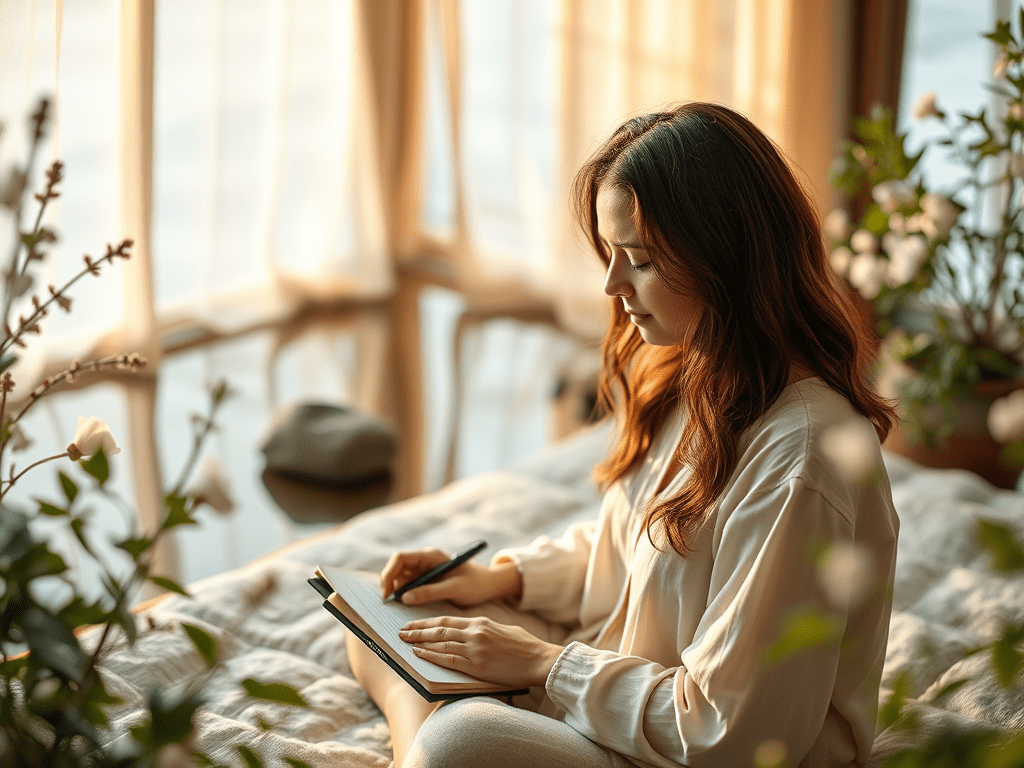
Anxiety, stress, depression, and emotional fatigue are no longer framed as personal weaknesses or failures. Instead, they are increasingly understood as natural responses to constant pressure, uncertainty, economic stress, and digital overload. Today’s self-care looks less like luxury. It resembles maintenance, with activities like therapy sessions, intentional rest, and emotional check-ins. Journaling and learning how to say no without guilt are also part of self-care.
This change matters because it removes shame from struggle. It allows people to seek support earlier, speak honestly about their limits, and prioritize healing instead of pushing through pain.
Modern lesson: Taking care of your mind is not falling behind. It’s how you stay functional, present, and alive in a demanding world.
Digital Detox Is Becoming a Survival Tool
Another major theme emerging from today’s wellness headlines is the growing desire to disconnect. Not because technology is inherently harmful, but because constant connection is exhausting. Endless notifications, news cycles, social comparison, and online performance are taking a toll on mental clarity and emotional stability.
Trending stories highlight people intentionally limiting screen time, taking breaks from social media, and redefining their relationship with technology. Digital detox is no longer about disappearing from the internet, it’s about creating healthier boundaries with it.
Self-care today often looks like fewer notifications, quieter mornings, no-phone meals, and moments of intentional stillness. It means choosing presence over performance and mental peace over constant stimulation.
Modern lesson: You don’t need to disappear from the world to take care of yourself. You just need to give your nervous system a break from constant input.
Slow Living Is Replacing Hustle Culture
For years, hustle culture dominated conversations around success, ambition, and worth. But today’s news tells a different story. Burnout reports, mental health crises, and workplace dissatisfaction are pushing people to question the idea that productivity equals value.
Across trending stories, we see growing interest in four-day workweeks, flexible schedules, remote work options, and intentional living. Slow living isn’t about laziness or lack of ambition, it’s about aligning effort with meaning.
Wellness today emphasizes doing what matters at a pace the body and mind can sustain. Rest is no longer seen as a reward earned only after exhaustion; it’s being reframed as a necessary skill. Stillness, reflection, and recovery are increasingly recognized as sources of clarity and strength.
Modern lesson: A slower life is not an unambitious life. It’s a sustainable one that allows you to keep going without burning out.
Physical Wellness Is Shifting From Aesthetics to Energy
Fitness and physical wellness trends in today’s news are also evolving. There is a noticeable move away from extreme workouts, unrealistic body goals, and punishment-based exercise routines. Instead, the focus is shifting toward functional, joyful, and sustainable movement.
Walking, stretching, yoga, strength training for longevity, and mobility-focused routines are gaining attention. The emphasis has shifted from how bodies look to how they feel. It focuses on how they function and how long they can support us through life.
This shift reflects a deeper understanding of health as a long-term relationship rather than a short-term transformation. Physical self-care today is about energy, consistency, and respect for the body’s signals.
Modern lesson: Health is not about perfection or appearance. It’s about mobility, resilience, and having the energy to live your life fully.
Community Is Becoming Self-Care
One of the quieter yet meaningful trends behind many wellness headlines is being recognized. People are increasingly viewing isolation as a health issue. Loneliness, disconnection, and lack of support have emerged as major contributors to emotional and mental strain.
In response, people are rebuilding communities in simple, intentional ways. These include group walks, support circles, shared meals, creative gatherings, and honest conversations. Self-care today isn’t always solitary or aesthetic. Sometimes it looks like asking for help, showing vulnerability, or simply allowing yourself to be seen.
This shift reminds us that healing doesn’t always happen alone. Humans are wired for connection, and wellness thrives in shared spaces.
Modern lesson: Connection is medicine. Community is not optional, it’s essential.
What Self-Care Looks Like Now
According to today’s wellness trends, real self-care is often quiet, practical, and occasionally uncomfortable. It doesn’t always look good on social media, but it supports real life.
Modern self-care looks like:
- Setting boundaries without overexplaining yourself
- Resting before you reach total exhaustion
- Logging off even when everyone else stays online
- Choosing peace over constant productivity
- Allowing yourself to change, grow, and outgrow old expectations
This version of wellness isn’t glamorous or performative. It’s consistent, honest, and deeply human.
Final Thought
Today’s wellness and self-care headlines are pointing toward the same truth. Self-care is no longer about escaping life. It’s about learning how to live it without breaking yourself.
In a fast, noisy, demanding world, the most radical thing you can do is listen to your body. Honor your limits and protect your mental health. Choose a version of wellness that genuinely supports your life, not just your image.
Wellness today isn’t about doing more.
It’s about living better, longer, and with greater compassion for yourself and others.
 Maison Avyra